
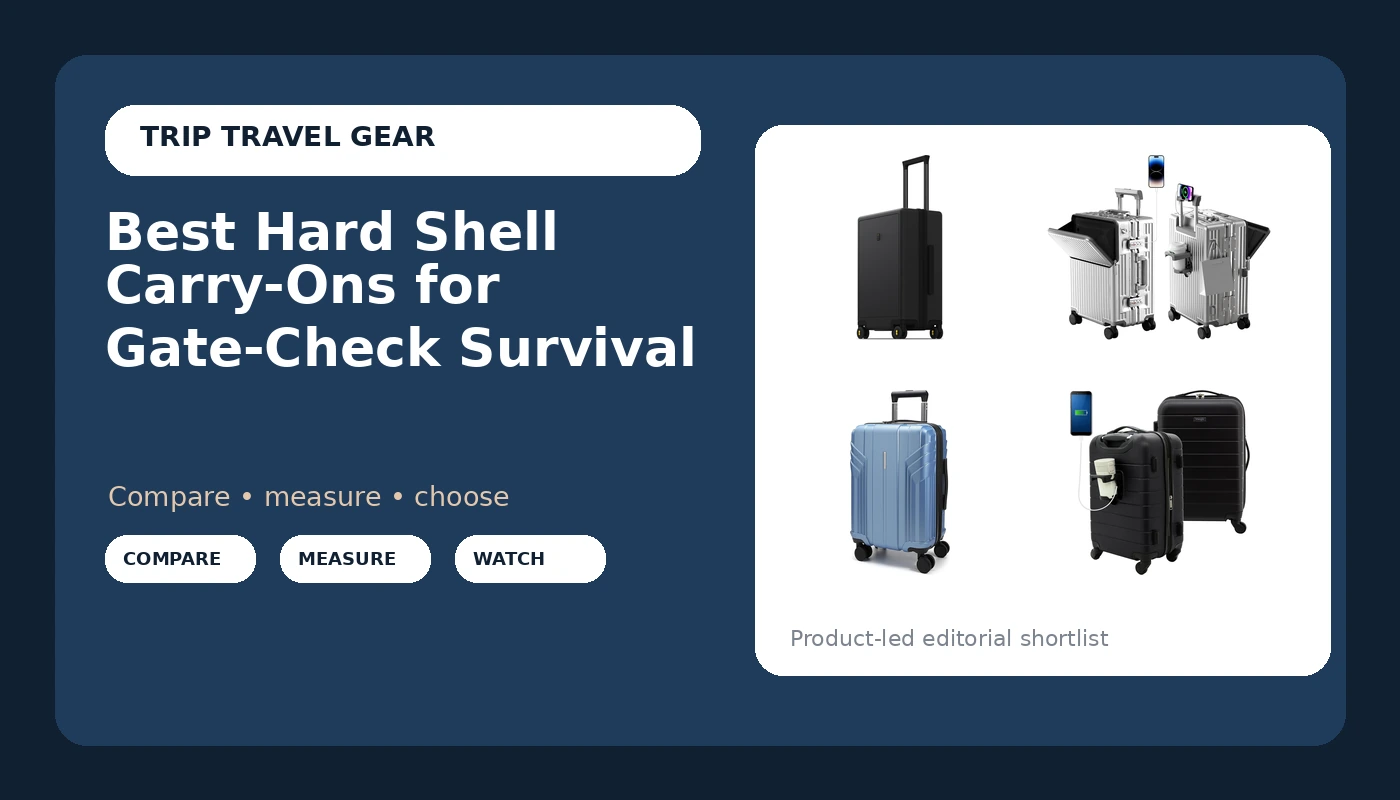
A hardshell does not fail because it is plastic. It fails at the seam, at the wheel housing, or where the telescoping handle meets the shell, and it usually fails the week after you stop thinking about it. I flew more than ninety segments a year for eleven years as a regional sales rep, then spent two years running gear checks for a small adventure-travel operator, and in that time I watched a polycarbonate shell crack on a jet bridge and a soft bag get gate-checked into standing water. The hard shell carry-ons that survive that life share a short list of traits: a shell material the listing actually names, wheels described by type rather than by adjective, a closing system you can inspect, and a published size you can hold against a real airline sizer.
The best hard shell carry-ons are not the ones with the longest feature list. They are the ones whose stated measurements and hardware match the trip you actually take, which is usually a 20-inch cabin bag on a full flight with a tight connection. This guide puts six bags side by side, from a polycarbonate 20-inch cabin shell to an under-seat tote for the days when the overhead bin is not part of the plan. No price is printed here, because prices move weekly and specifications do not. What you get instead is the number that decides each bag, the trade-off each one asks you to accept, and the failure that reviews keep repeating so you can decide whether you can live with it.
Quick answer
The LEVEL8 Hard Shell 20 Inch Carry on Luggage Airline Approved, Polycarbonate is the strongest fit for most trips because it combines the two things this category is actually about: a named polycarbonate shell and a 20-inch cabin size that sits at the conservative end of published airline limits. Choose the Carry on suitcase Zipperless Luggage,Polycarbonate Aluminum Hard Shell, Expandable Carry-On Suitcase with Spinner Wheels, 20 Inch Cabin instead when you want a zipperless closing system and expansion in the same 20-inch class. Choose the BAGSMART Expandable 20 Inch Carry On Luggage Airline Approved, Blue when expansion matters more to you than frame material.
Hard shell carry-ons worth comparing
Top pick
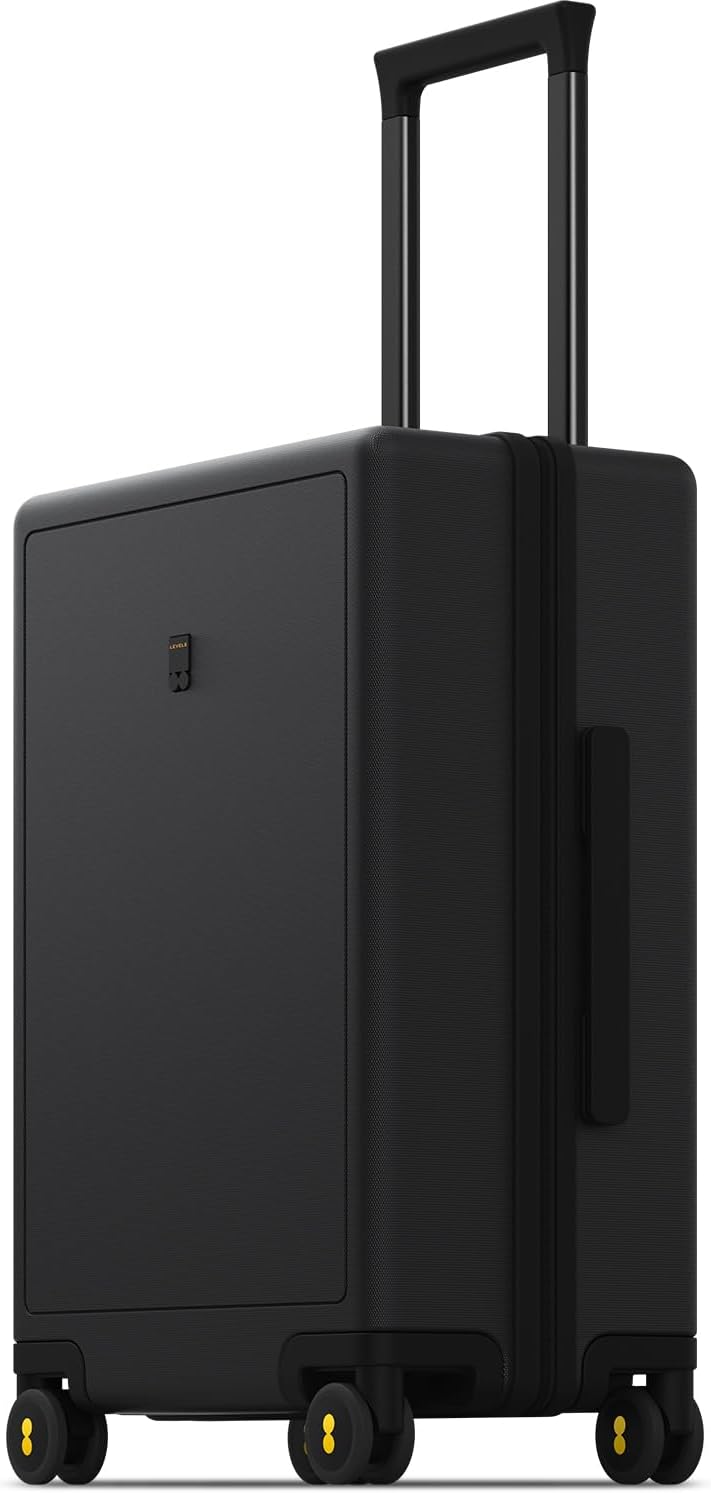
LEVEL8 Hard Shell 20 Inch Carry on Luggage Airline Approved, Polycarbonate
A 20-inch hardshell built around a named polycarbonate shell, which is the material most often cited when a bag is expected to flex under a bin door and return to shape. The airline-approved badge on the listing is the seller's claim, so check the linear-inch number against your carrier's published sizer.
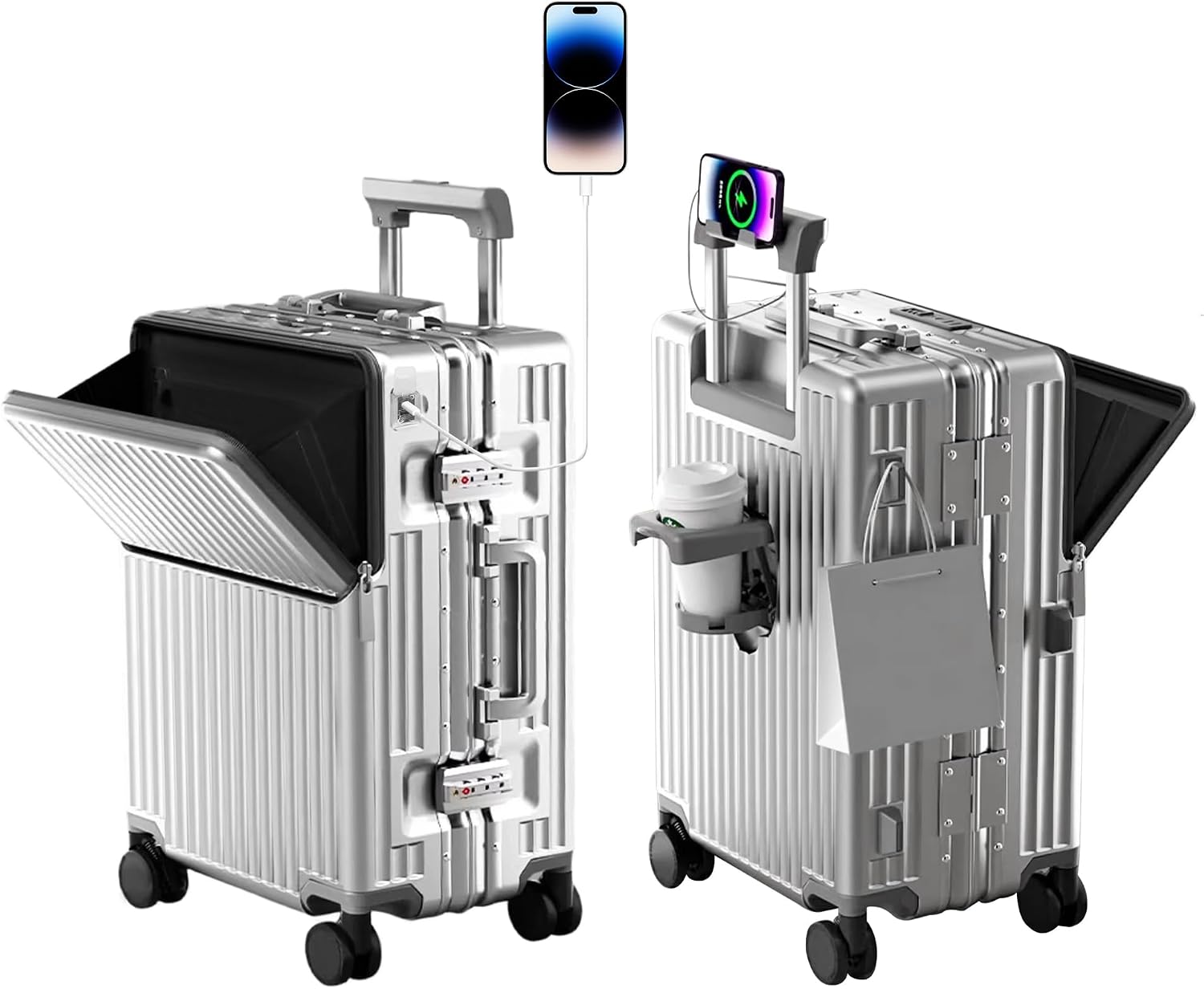
Carry on suitcase Zipperless Luggage,Polycarbonate Aluminum Hard Shell, Expandable Carry-On Suitcase with Spinner Wheels, 20 Inch Cabin
A 20-inch cabin bag with a zipperless closure, spinner wheels, and expansion built into a shell that combines polycarbonate and aluminum. The frame removes the part that fails most often on a hard shell, but it has to be latched correctly every time.
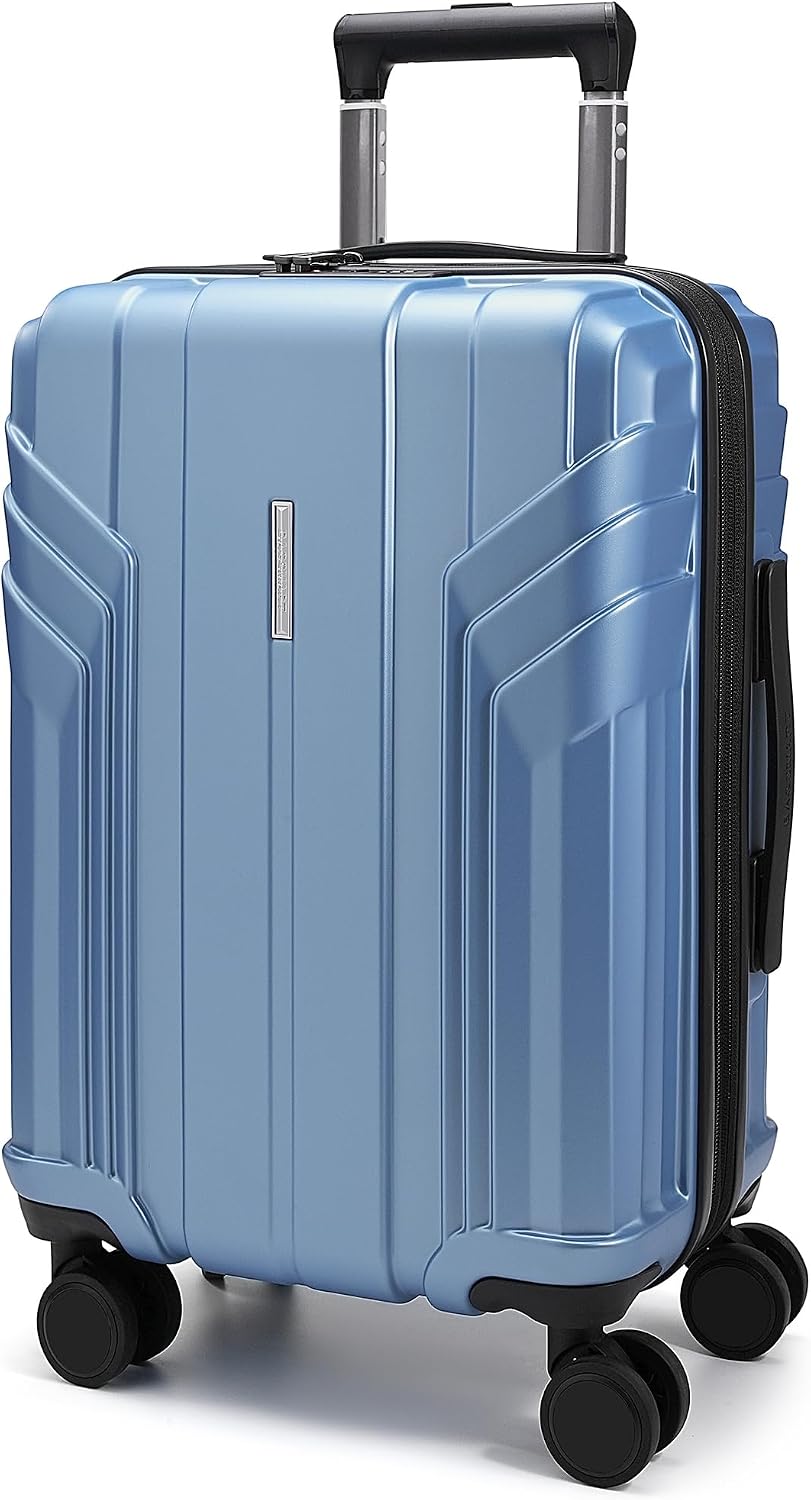
BAGSMART Expandable 20 Inch Carry On Luggage Airline Approved, Blue
An expandable 20-inch cabin bag in blue, and the most flexible option on paper in this group. Expansion buys capacity on the return leg and costs you a sizer failure on a full flight if you forget to zip it back down.
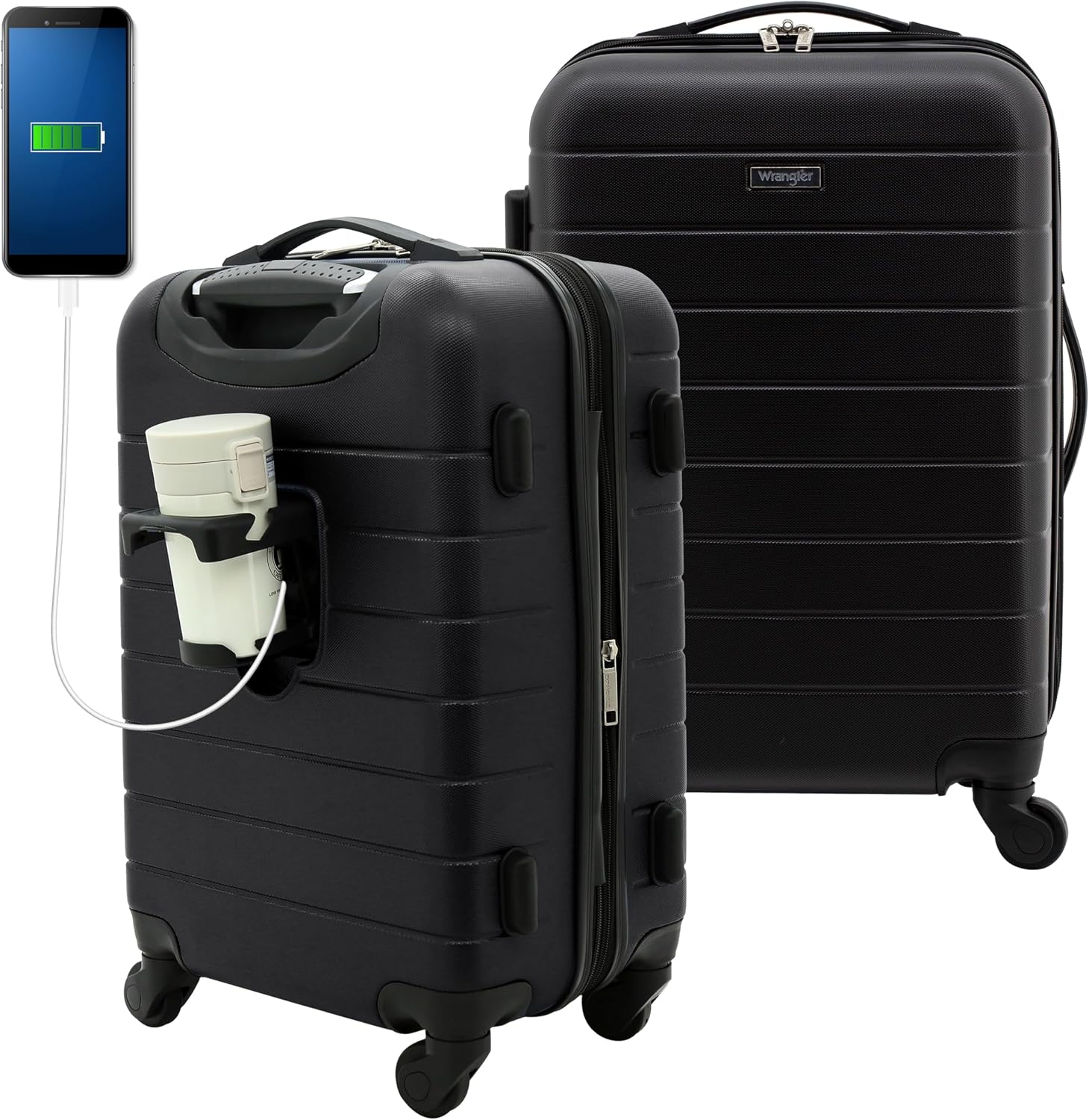
Wrangler Smart Spinner Hardside Luggage, 22-Inch Carry-On, Black
A 22-inch hardside spinner in black, one size class above the most conservative cabin limits. Fine on carriers that publish a 22-inch allowance and a gamble on the strictest sizers.
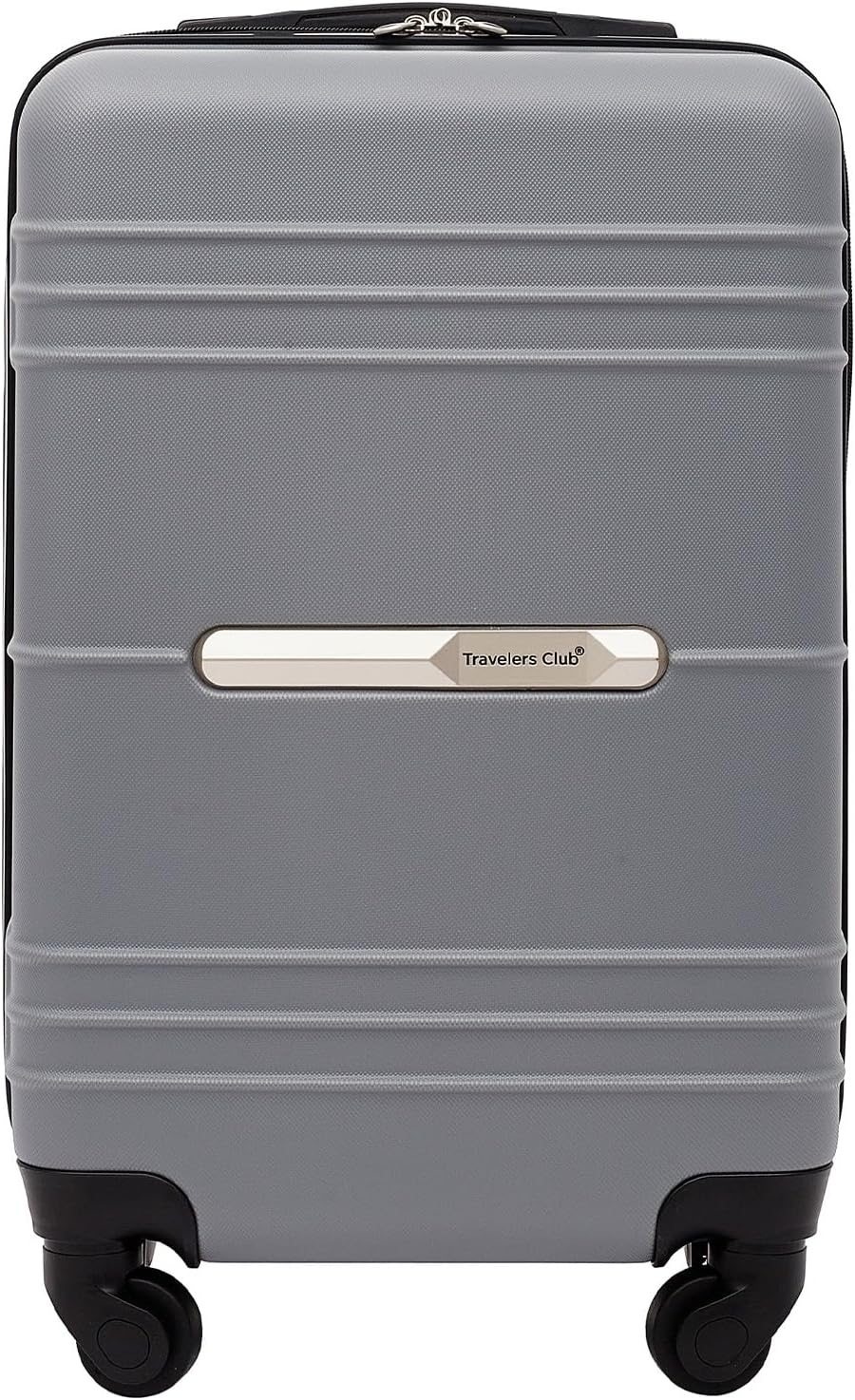
Travelers Club 22" Richmond Spinner Carry-On Luggage, Charcoal
A 22-inch spinner in charcoal with a hardside shell, in the same size class as the Wrangler and facing the same sizer question. Choose between the two on shell and look rather than on capacity.
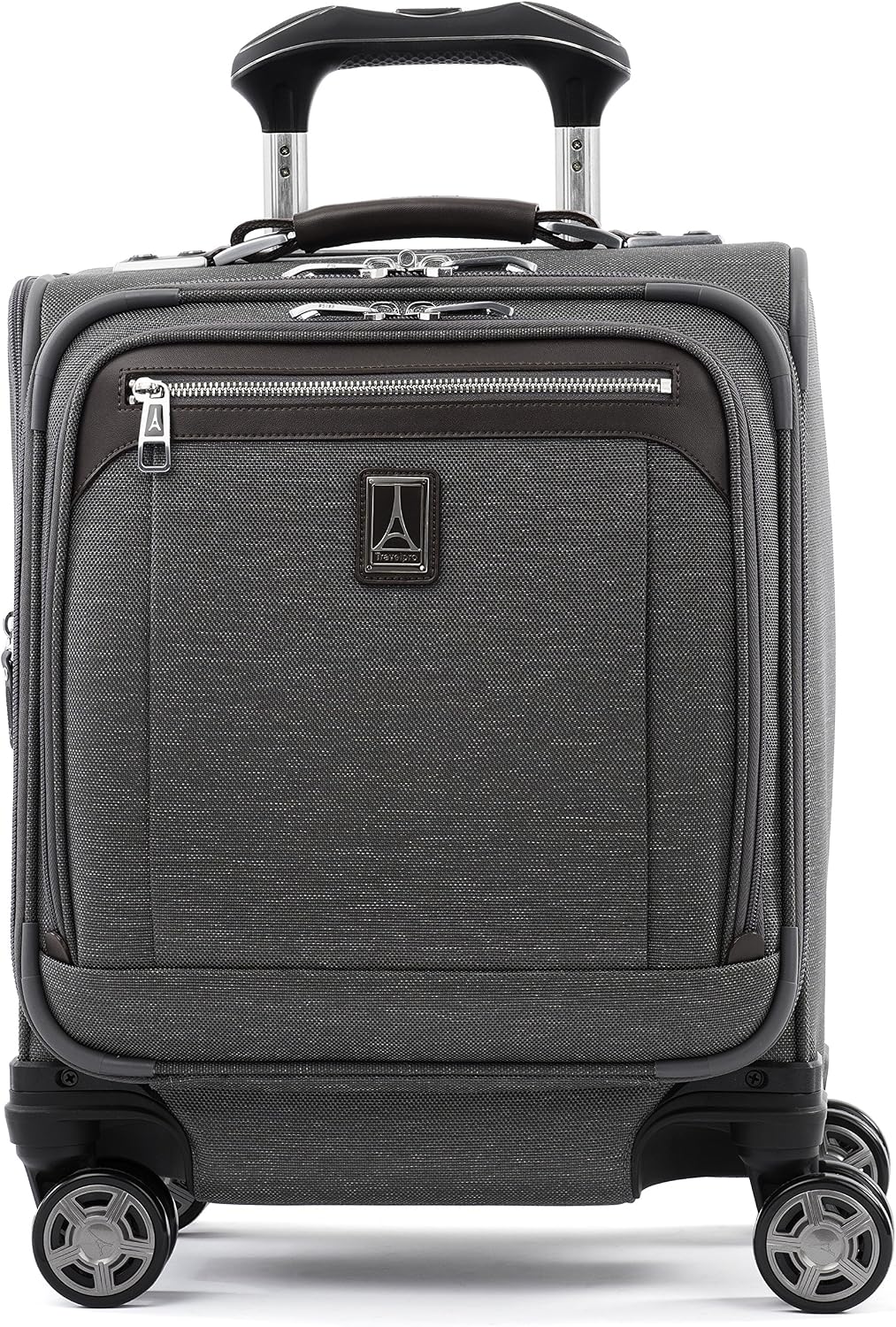
Travelpro Platinum Elite Underseat Spinner Tote Bag, Black, 16-Inch
A 16-inch under-seat spinner tote, and not a hardshell at all. This is the personal-item pick when you want the bag beneath the seat in front of you rather than in the overhead bin.
How these products were compared
Five things separate these six bags, and none of them require a lab: the shell material the listing actually names, the stated size and what cabin class it implies, the wheel and handle hardware as described rather than assumed, the closing and expansion system, and the complaint that repeats across buyer reviews. Hard shell carry-ons live or die on those five points.
Shell material comes first because it is the only structural claim most listings make. Polycarbonate is named on two bags here and paired with aluminum on a third. The difference between those constructions matters less than whether the seller names a material at all, because a material named is a material you can look up.
Stated size comes second. "Airline approved" with no dimensions is a marketing phrase, not a measurement, and a 20-inch bag and a 22-inch bag are not the same purchase even when both listings wear the same badge.
Hardware comes third. A spinner wheel assembly, a telescoping handle, and the housing that connects the two are the parts that fail first in the review threads I read, and they are the parts the product photos most often hide.
Closing systems come fourth, and they divide this group cleanly into zippered and zipperless designs, which means different packing habits rather than different quality. Fifth is what buyers repeat, which is more useful than any single rating.
Carry-Ons reviews are most useful when you read them for repetition rather than for stars. The same complaint about a handle or a wheel housing showing up across dozens of buyers is a specification problem, not a shipping problem. Nothing here was lab-tested by me, and product names, images, and retailer links are matched by product record so that every card points to the bag shown.
How to choose the right hard shell carry-on
The measurement that decides everything is linear inches: height plus width plus depth, not the diagonal and not the height with the wheels removed. Airlines publish their own limits and revise them, so the honest version of this advice is to look up the number for the specific carrier on the specific route, then measure the bag the same way the carrier measures it, wheels and handles included if that is how the sizer works. Two bags in this group sit in the 20-inch class, which is the safer bet on narrow-body aircraft and at gates where the sizer gets enforced. Three sit in the 22-inch class, which is fine on many domestic carriers and a gamble on the strictest ones. The top rated Carry-Ons in this group share that trait: a stated size, a named shell, and hardware the listing describes instead of implying.
Carry-Ons buying guide advice usually opens with size, and it should. Materials come next, and the choice is narrower than the marketing suggests. Polycarbonate flexes and returns, which is why it appears on the top pick and on two alternatives here. Aluminum is stiffer and shows every dent. A shell built from both, like the zipperless design below, is trying to get stiffness at the corners and flex in the panels. None of these materials is a warranty, and none of them makes a bag waterproof in a real downpour.
Closing systems divide the group more than material does. A zipperless clamshell removes the part that fails most often on a hard shell, the zipper itself, and replaces it with a frame that has to be latched correctly every time. A zippered shell is easier to overpack and easier to close one-handed. Expansion is a separate decision: it buys two or three days of extra capacity on the return leg and costs you a sizer failure on a full flight if you forget to compress it again.
If you are new to this, the short version of how to choose Carry-Ons is to measure the packed bag, check the carrier's limit, weigh it on a kitchen scale, and test the lock and the handle before you leave the house. Our carry-on size guide by airline collects the published limits we check most often, and the packing cube sizes that fit a 20-inch shell matter more than the bag's exterior dimensions once you start loading it.
LEVEL8 Hard Shell 20 Inch Carry on Luggage Airline Approved, Polycarbonate
The LEVEL8 bag is the pick because it does the least speculative thing in the category: it names its shell material and states its size. Polycarbonate at 20 inches is the combination that gets a bag through the most gate checks with the fewest surprises, because the shell can flex under a bin door and the footprint stays inside the conservative end of published limits. The listing carries an airline-approved claim. Treat that as the seller's claim and check the linear-inch number against your carrier's published sizer before you rely on it. That is not a knock on this bag in particular, it is how that claim works for every bag in this list.
What you give up with a 20-inch hardshell is give. There is no fabric to stretch, so a packing cube that fits on the way out may not fit on the way back, and a polycarbonate shell shows scuffs and scratches the way any hard surface does. The trade you are making is structure for tolerance, and it is the right trade if you fly the same route with roughly the same load most weeks. If you routinely come home with more than you left with, the expandable option below is the more honest choice.
Alternatives to consider
The Carry on suitcase Zipperless Luggage,Polycarbonate Aluminum Hard Shell, Expandable Carry-On Suitcase with Spinner Wheels, 20 Inch Cabin is better suited to travelers who have already lost a trip to a blown zipper and want the frame-and-latch approach, while the BAGSMART Expandable 20 Inch Carry On Luggage Airline Approved, Blue is a stronger fit when expansion matters and you want a straightforward zippered shell in the same 20-inch class.
The Wrangler Smart Spinner Hardside Luggage, 22-Inch Carry-On, Black, the Travelers Club 22" Richmond Spinner Carry-On Luggage, Charcoal, and the Travelpro Platinum Elite Underseat Spinner Tote Bag, Black, 16-Inch cover the other three use cases. The two 22-inch bags are the same size class and the same sizer question, so choose between them on shell and finish rather than on capacity, and neither is a safe bet on a carrier that measures at the gate. The Travelpro is a different slot entirely: a 16-inch under-seat tote, not a hardshell, for the personal-item half of a two-bag trip when you want to board late and still keep your bag with you.
Day-to-day use and maintenance
Hard shells ask for less maintenance than fabric and more attention to two parts: the wheel housing and the closure. Grit in a spinner wheel is the most common avoidable failure, and a wipe of the housing after a trip costs less than a replacement wheel. Store the bag empty with the closure open if you have the space, so a gasket or a latch does not sit compressed for months at a time. Do not sit on a hardshell and do not hand it to the checked-bag counter unless you accept that the shell is now a wear item, because the seam is where most catastrophic cracks begin.
Test everything before the airport, not at it: close and open the bag twice, spin each wheel, run the telescoping handle through its full travel, and set the lock. If you use a TSA-accepted lock, confirm it carries the Travel Sentry mark rather than the word "approved" on the packaging. Weigh the packed bag on a kitchen scale the night before, because a 20-inch shell that gains a laptop, a pair of shoes, and a dopp kit can land close to a carrier's weight limit even when the dimensions are comfortably legal.
No bag here is claimed as waterproof, and no bag is airline-policy-proof. Shell damage policies vary by carrier, so read the published terms rather than assuming a cracked panel is covered, and keep the receipt.
Buying checklist
- Measure height plus width plus depth, with wheels and handles included, and compare the total against your carrier's published limit for the route you are flying.
- Choose polycarbonate, aluminum, or a combined shell based on how much flex you want, not on the badge on the listing.
- Confirm that the exact model includes the closing system you expect: zippered, zipperless, or expandable.
- Read the cleaning and maintenance instructions for the shell and the wheel housings.
- Test the handle, the wheels, and the lock at home before the trip.
- Verify the current retailer price, availability, and return terms.
Final recommendation
Choose the LEVEL8 Hard Shell 20 Inch Carry on Luggage Airline Approved, Polycarbonate when you want a 20-inch polycarbonate shell and the most conservative size class in this group. Choose the Carry on suitcase Zipperless Luggage,Polycarbonate Aluminum Hard Shell, Expandable Carry-On Suitcase with Spinner Wheels, 20 Inch Cabin when a zipperless closure and expansion are worth more to you than the simplest design. If your carrier publishes a 22-inch allowance and you have measured it yourself, the Wrangler Smart Spinner Hardside Luggage, 22-Inch Carry-On, Black and the Travelers Club 22" Richmond Spinner Carry-On Luggage, Charcoal are the size-class picks, and the Travelpro Platinum Elite Underseat Spinner Tote Bag, Black, 16-Inch is the right second bag when the overhead bin is not the plan.
The best budget Carry-Ons in this group are the ones that still state a size and name a shell, and a Carry-Ons comparison that skips the linear-inch number is decoration. Carry-Ons for beginners usually means one bag that does everything, and for most people that bag is a 20-inch hardshell whose measurement you have checked yourself against the airline you actually fly.