A duffel packed for a four-day trip usually fails in the same place: the loose layer. Anything that is not in a cube or a bag slides to the bottom, the clean shirt ends up under the shoes, and the puffy jacket eats a third of the bag because nothing has pushed the air out of it. That is the job compact stuff sacks do, and the differences between a set that lasts a season of bus racks and one that splits at the drawcord are visible before you buy: fabric weight, seam finish, closure type, and whether the listing prints a packed volume at all.
This guide compares six listings, from a three-piece ultralight set to a five-piece compression bundle to a small nylon sack, and explains what to measure before you pick one. It is written for carry-on travelers and backpackers who care about packed size more than color. For the short version of how to choose compact stuff sacks, buy the set whose stated volume matches the item you need to compress, and skip anything that does not print a number.
Quick answer
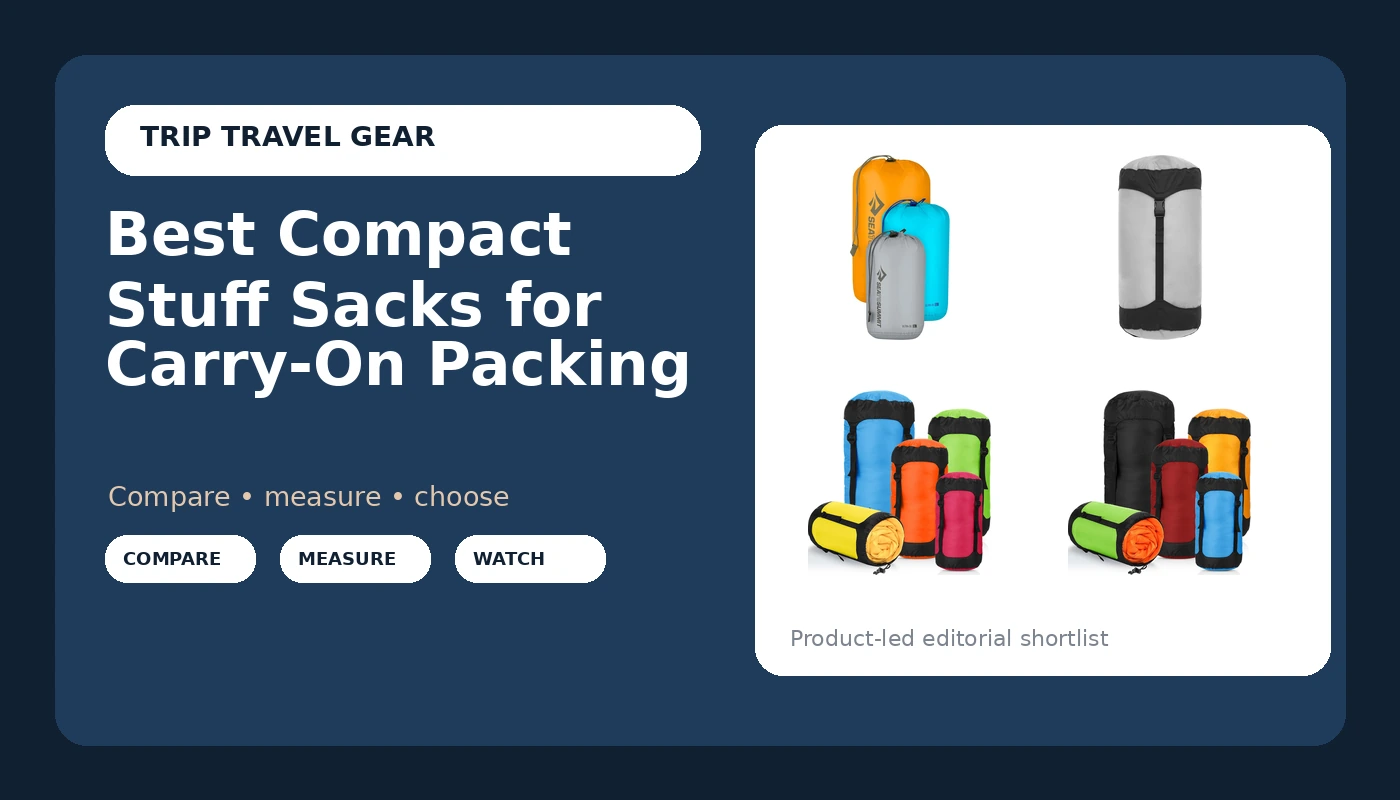
The Sea to Summit Ultra-SIL Stuff Sack 3-Piece Set is the strongest fit for most carry-on travelers because it puts three ultralight nylon sacks in one order from a fabric line built around low weight, and a set covers clothing and sleep layers without locking you into one volume. Choose the Sea to Summit Ultra-Sil Compression Sack instead when the load is a single bulky item, such as a sleeping bag or a puffy, that needs to be squeezed rather than sorted.
Compact stuff sacks worth comparing
Top pick
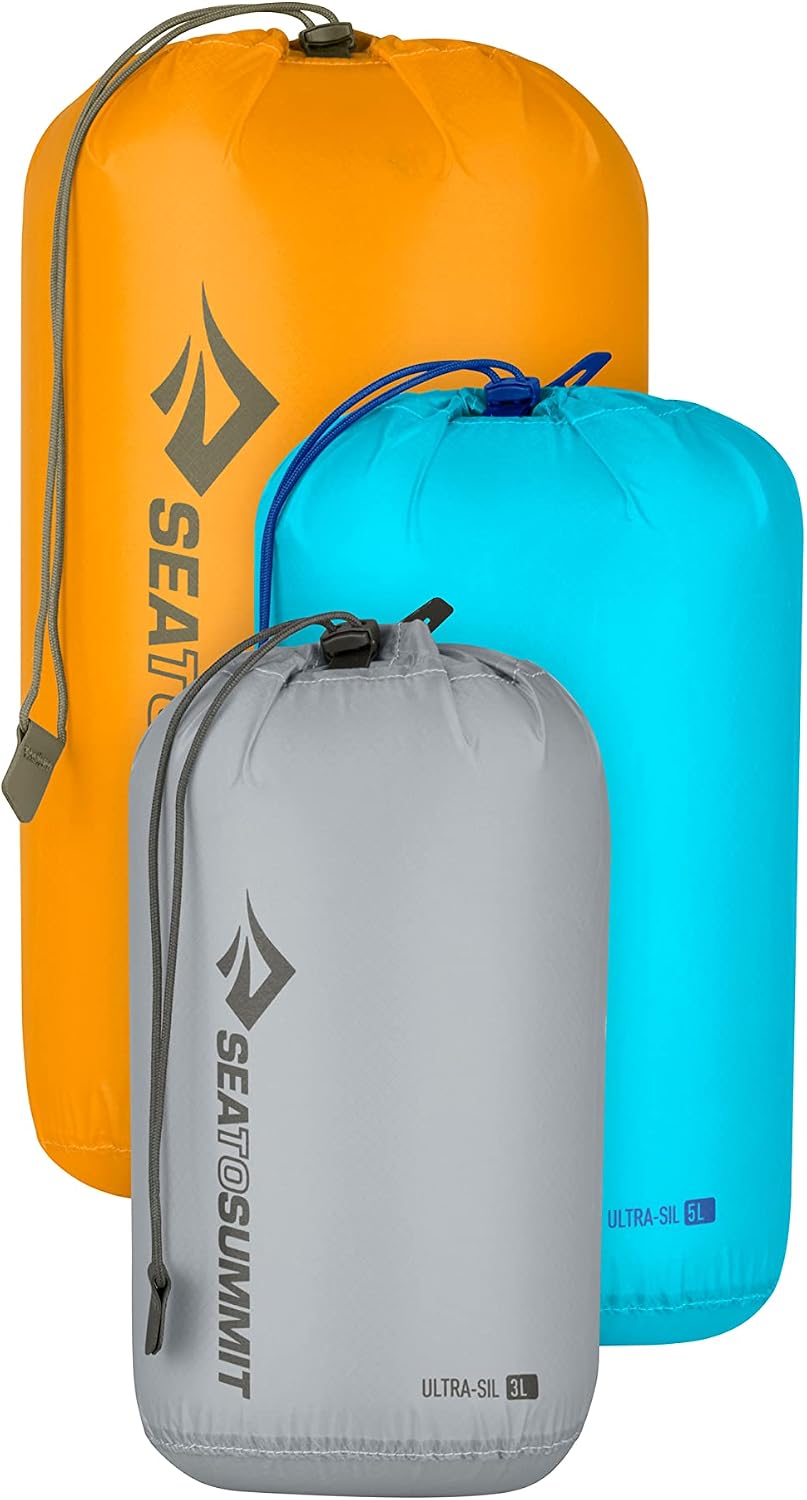
Sea to Summit Ultra-SIL Stuff Sack 3-Piece Set
Three ultralight nylon stuff sacks in one set, intended for separating clothing and sleep layers inside a carry-on or a daypack.
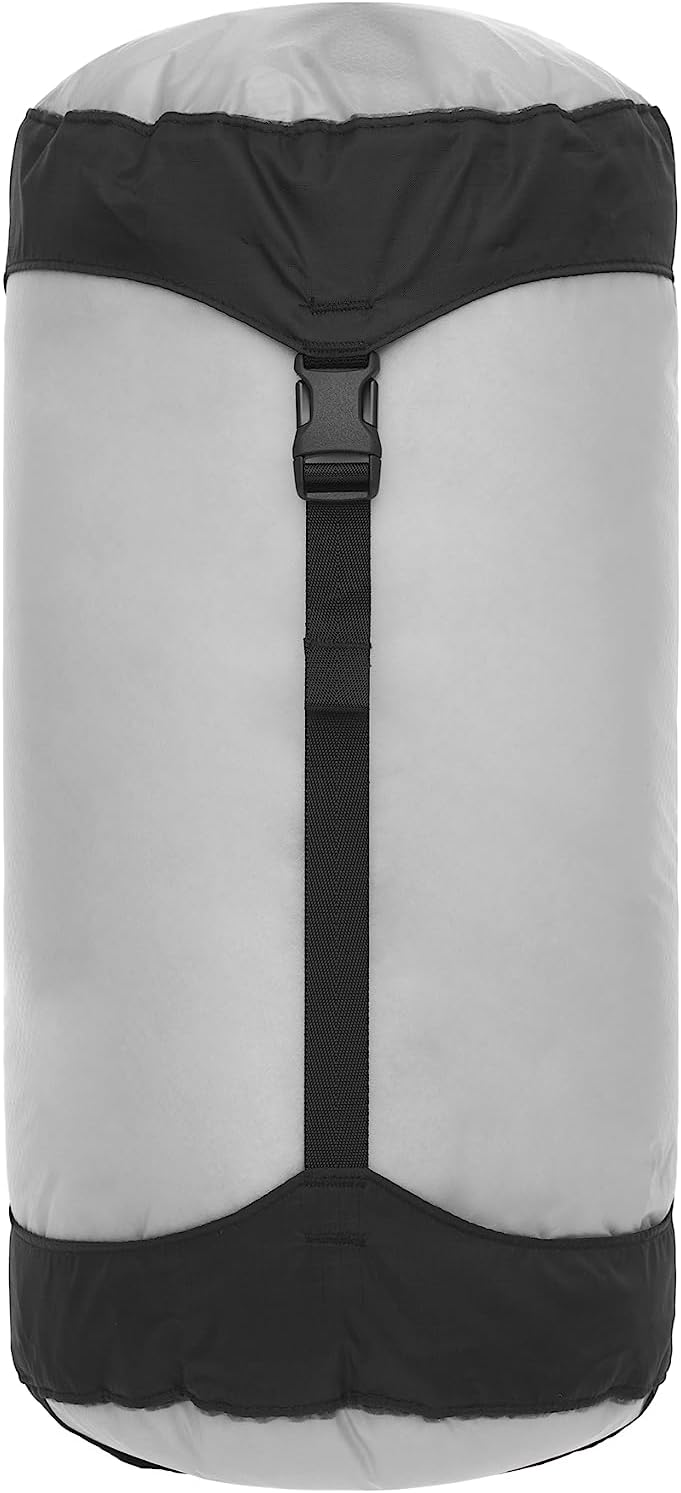
Sea to Summit Ultra-Sil Compression Sack
A single compression sack from the Ultra-Sil line, built to pull a sleeping bag or puffy layer down before it goes into the pack.
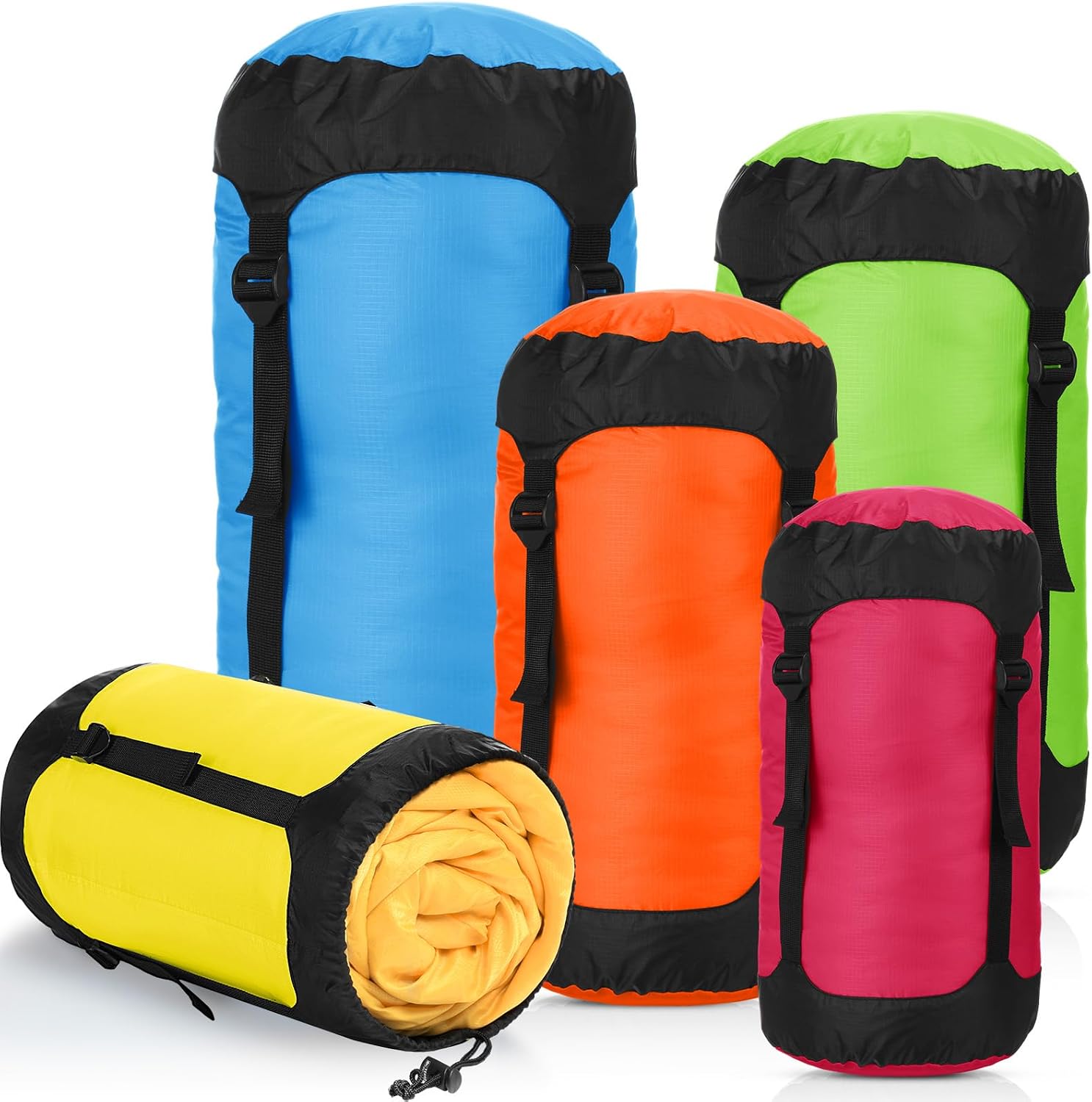
5 Pcs Compression Stuff Sacks for Backpacking
A five-piece compression bundle sold as one order, aimed at backpackers who want several sacks at once; confirm the size mix on the listing.
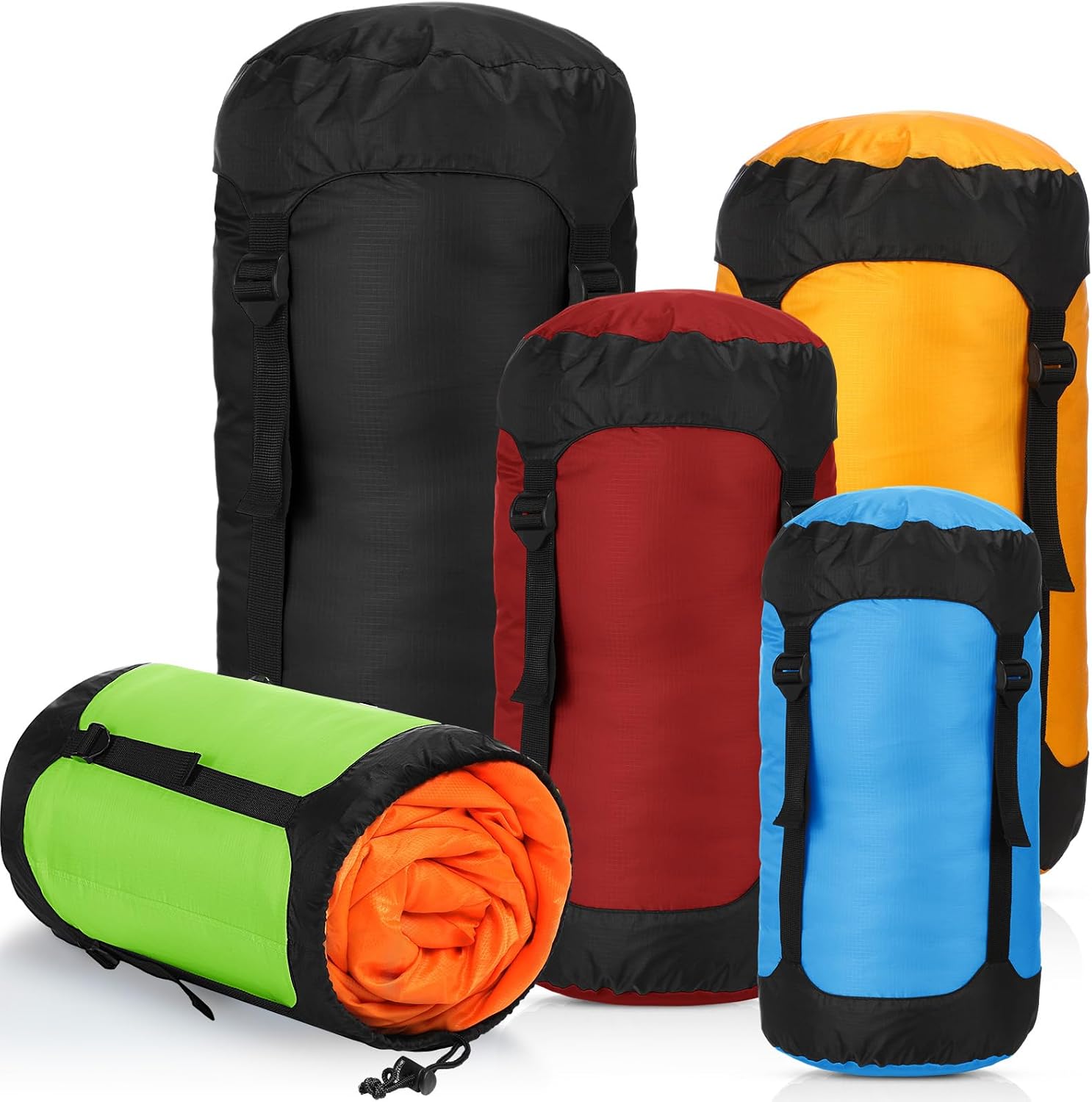
5 Pcs Compression Stuff Sacks for Backpacking
A separate five-piece compression bundle under the same name, so the sizes and closure details printed on this listing are the deciding line.
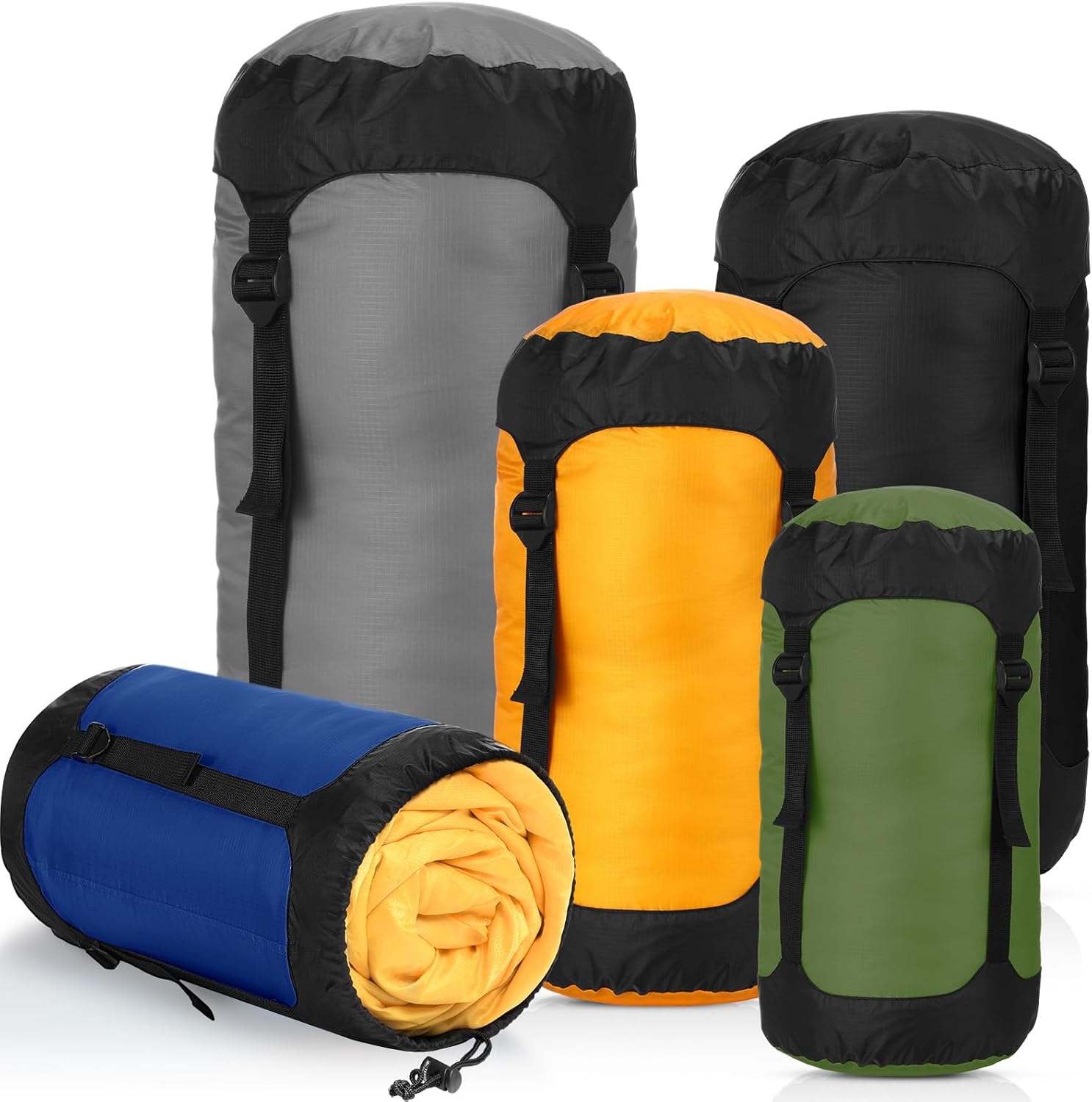
5 Pcs Compression Stuff Sacks for Backpacking
The third five-piece compression listing in this group; read the listed sizes and the closure type before choosing between the bundles.
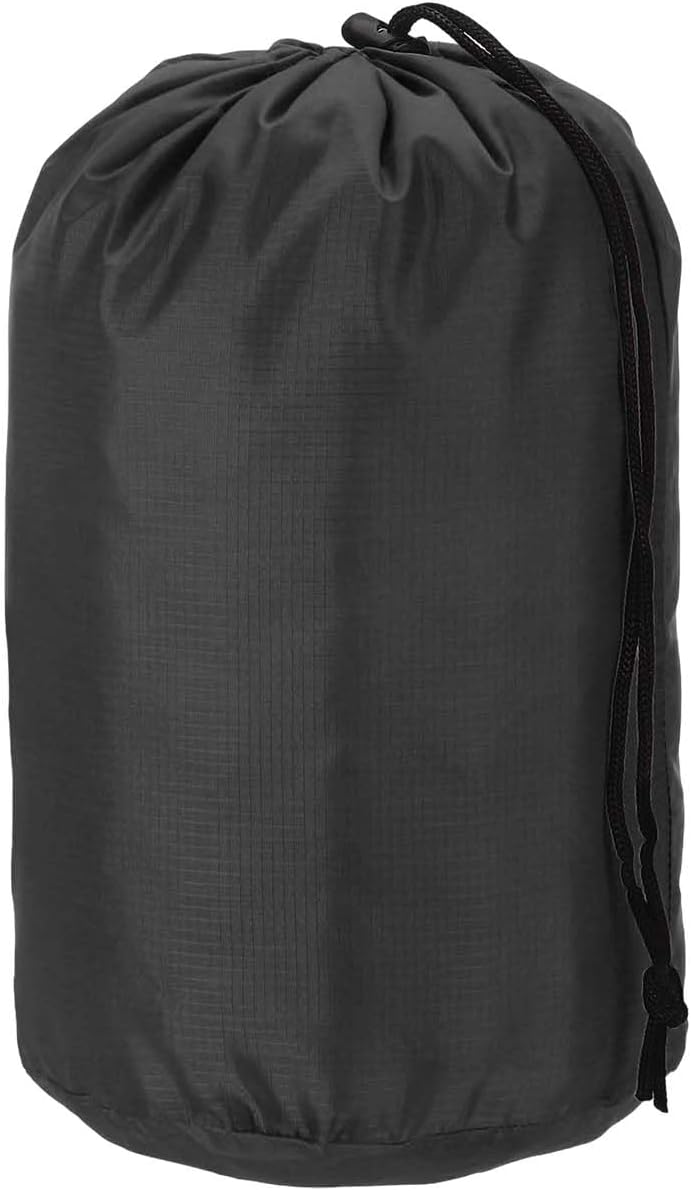
Stuff Sack, Black Nylon Waterproof Storage Sacks, 3x5Inch
A small black nylon sack listed at 3×5 inches, sized for cables or toiletries rather than a full clothing load.
How these products were compared
This guide compares listed volume and dimensions, fabric and construction claims, closure and compression hardware, the number of sacks included per order, and how clearly each listing states its numbers. Product names, images, and retailer links are matched by product code so that every card points to the product shown.
Nothing here is presented as a hands-on test. The comparison is built from what each listing publishes: the fabric named in the title, the number of sacks in the bundle, and the closure type. Where a listing does not print a packed volume, this guide says so instead of filling the gap with adjectives. A Stuff Sacks comparison that invents numbers is worse than one that admits the gap.
Treat the criteria below as a Stuff Sacks buying guide you can reuse on any listing. The questions do not change: what fabric, what closure, what volume, how many sacks, and what the return terms look like if the size turns out wrong.
Fabric is the first fork. Ultralight nylon of the type the Ultra-SIL name refers to trades abrasion resistance for weight and packability. Heavier coated nylon trades the other way. Neither is wrong. A sack that lives inside a duffel sees far less abrasion than one strapped to the outside of a pack, which is why the lighter fabric is usually the better bet for carry-on and checked-bag use.
Closure is the second fork. A drawcord sack holds loose items together and lets you stuff it from the top. A compression sack adds straps or a cord system that pulls the load down after it is packed, and that is what actually changes the packed size of a sleeping bag. The distinction matters because a drawcord sack will not compress a bag no matter how hard you pull the cord.
How to choose compact stuff sacks for your bag
Start with the bag, not the sack. Measure the interior depth and width of the compartment you plan to fill, then subtract room for the items packed around it. A sack that fits the interior of a 40-liter pack will not necessarily fit a carry-on's clamshell half, where usable depth is often two or three inches shallower than the shell suggests.
Then match the sack to the item rather than to the trip. Sleeping bags and puffies want a compression sack sized to their packed volume. Clothing wants a drawcord sack or a set in graduated sizes. Cables, toiletries, and small tools want something in the 3×5-inch range, which is what the small black nylon sack in this guide is listed at. Buying one large sack for everything is the most common mistake, because it turns the pack into a single undifferentiated lump and undoes the organizing benefit. If you are building a system from scratch, how to pack a carry-on for a week covers the layering order that makes sacks useful in the first place.
The short answer to how to choose Stuff Sacks is to measure first and read the capacity line second. A Stuff Sacks size guide should always be read in liters and inches, never in adjectives, since small, medium, and large mean nothing across brands. When a listing gives a packed volume, compare it with the volume of the item you intend to put inside, and expect the sack to sit slightly larger than the item's compressed size.
Note also that the top rated Stuff Sacks in a search result are ranked by an algorithm, not by whether the volume matches your bag. Ranking is a starting point for a shortlist, not a fit decision.
For anyone new to this, Stuff Sacks for beginners come down to two purchases: one compression sack for the bulky item and one or two drawcord sacks for clothing. That covers most trips. Add specialty sizes later, once you know which loose items actually annoy you.
Sea to Summit Ultra-SIL Stuff Sack 3-Piece Set
The top pick here is the three-piece set rather than a single sack because most travelers need more than one volume. Three sacks let you separate clean clothes from dirty, keep a sleep layer apart from the rest, and pack each group independently. The Ultra-SIL name refers to the low-weight nylon fabric family, and the same trade-off runs across the line: less weight and bulk in the pack, less abrasion resistance than a heavy coated fabric. That is a good trade for anything that rides inside a bag.
The trade-off is specificity. A set gives you three volumes, and if none of them matches the item you actually need to compress, you have bought the wrong three sacks. Read the listing for the capacity of each sack before ordering, and check those sizes against the packed volume of your sleeping bag or puffy rather than against the size of your pack. This is also where a set beats a single sack on flexibility: if one size misses, the other two still earn their place.
One more point on the fabric. Ultralight nylon is not the material to choose if the sack will be dragged over rock, strapped to a roof rack, or used to store tools with sharp edges. For that job, a heavier coated nylon sack or a simple duffel is the better answer.
Alternatives to consider
The Sea to Summit Ultra-Sil Compression Sack is better suited to a single bulky load, because its compression system is designed to pull a sleeping bag or puffy down after packing, while the 5 Pcs Compression Stuff Sacks for Backpacking listings are a stronger fit when you want several compression sacks in one order and are willing to check the size mix on each listing before buying.
Those three five-piece bundles share a name and are separate listings, so treat them as a Stuff Sacks comparison problem rather than a single product: open each one, confirm the sizes included, and pick the mix that matches your gear. The small Stuff Sack, Black Nylon Waterproof Storage Sacks, 3x5Inch covers the opposite end, holding cables, a document pouch, or toiletries rather than clothing. It is the kind of sack that disappears into a side pocket until you need it. The best budget Stuff Sacks are usually plain nylon ones like this, bought for one narrow job instead of a whole packing system.
Day-to-day use and maintenance
Pack a compression sack by filling it loosely first, then closing the top and tightening the compression straps or cord in stages. Pulling one strap all the way down before the others puts a shear load on the seam, and that is how most compression sacks fail. Loosen the straps before opening the closure, or the contents will push against a closed lid.
Store sacks open and dry. Nylon and coated fabrics hold moisture against themselves, and a sack packed damp in a warm room is a mildew problem waiting for the next trip. Wipe the inside with a damp cloth and let it air dry fully before folding it back into its pocket. Check the drawcord and the cord lock once a season, since a frayed cord is cheap to replace and a torn cord channel is not.
Do not machine wash coated or ultralight nylon unless the care tag says so, and never put a coated sack in a dryer. If a sack has held food or toiletries, wash it by hand and rinse thoroughly before it goes back in with clothing.
Buying checklist
- Measure the interior of the compartment you plan to fill, not the exterior of the bag.
- Choose the packed volume based on the item's compressed size rather than on an occasional edge case.
- Confirm that the exact listing includes the closure or compression hardware you expect, since multi-packs vary between listings.
- Read the care instructions for the fabric before washing anything.
- Verify the current retailer price, availability, and return terms on the product page.
- Read Stuff Sacks reviews for the details they mention, such as closure type and fabric weight, rather than for a star average.
Final recommendation
Choose the Sea to Summit Ultra-SIL Stuff Sack 3-Piece Set when you want three ultralight sacks that cover clothing and sleep layers in one order. Choose the Sea to Summit Ultra-Sil Compression Sack when a single bulky item needs to be squeezed, and pick one of the 5 Pcs Compression Stuff Sacks for Backpacking bundles when several compression sacks at once is the point. Add the small black nylon sack if you want a dedicated pocket for cables and toiletries.
Whatever you pick, buy the volume rather than the brand name, and check the capacity line before checkout. The best compact stuff sacks are the ones whose printed numbers match the gear you actually carry.