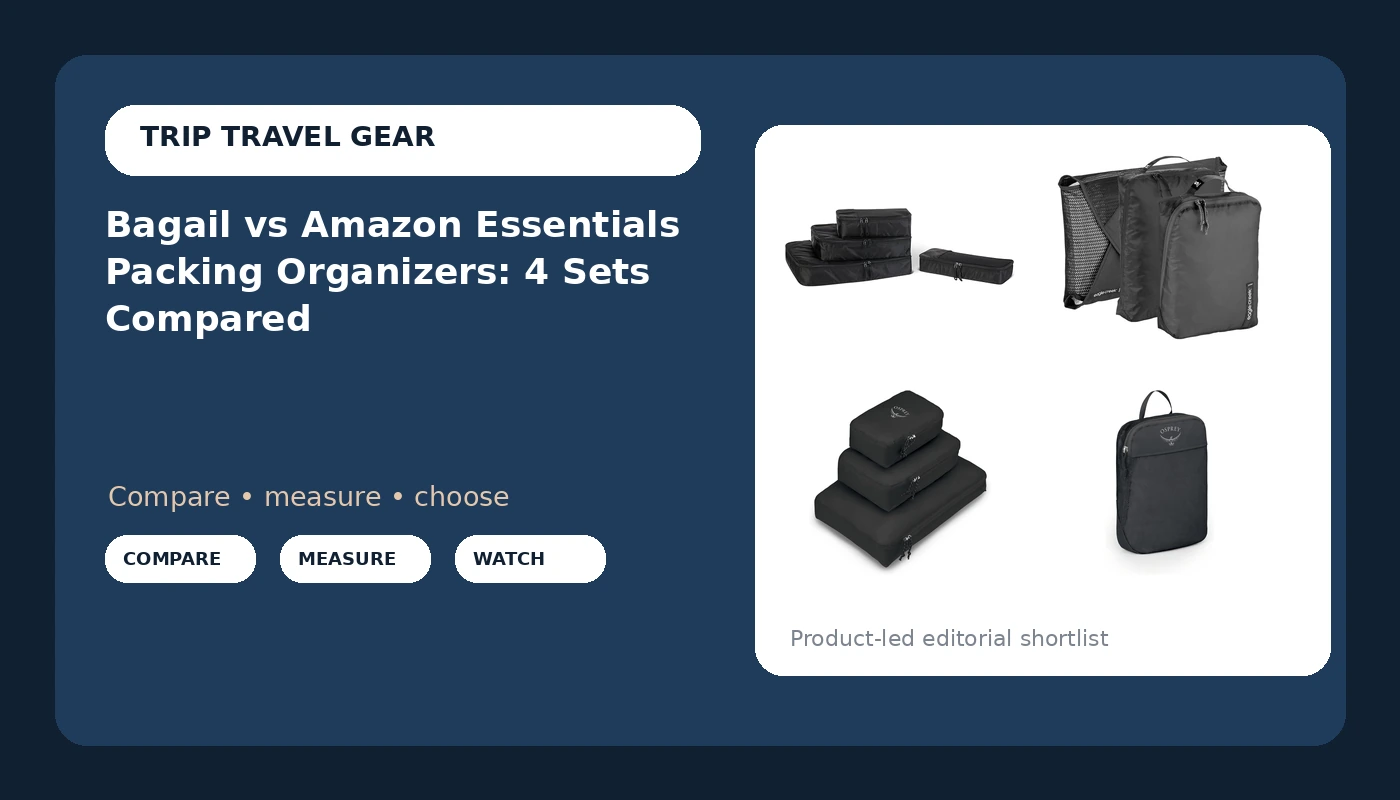
The query that lands most readers on this page is bagail vs amazon essentials packing organizers, and it is almost always typed by someone with an open suitcase and a carry-on that has to close by morning. Those two names get compared because they sit in the same budget bracket and both sell cube sets rather than single bags. What the comparison usually misses is that only one of those two names has a listing I can verify here, so this article does the honest version of it: the Amazon Essentials four-piece set goes up against three other organizers that are actually in this batch, and the decision comes down to how you pack rather than which brand name is louder on the shelf.
For most people the Amazon Essentials four-piece set is the pick, because four pieces including a slim cube cover the way a real suitcase gets packed, and the mesh tops let you find the charger without unpacking the whole bag. The Eagle Creek set is the one to buy if you travel with shirts that have to arrive flat. The two Osprey cubes are single-piece purchases for people who already know exactly what size they need and refuse to pay for three cubes they will never use.
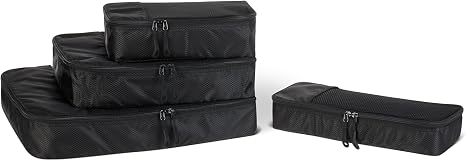
Amazon Essentials 4-Piece Space-Saving Packing Cubes Set
Four pieces including a slim cube, mesh tops for visibility, double zipper, lowest outlay of the four
Fabric and zipper hardware are budget tier, built to a price rather than to a decade
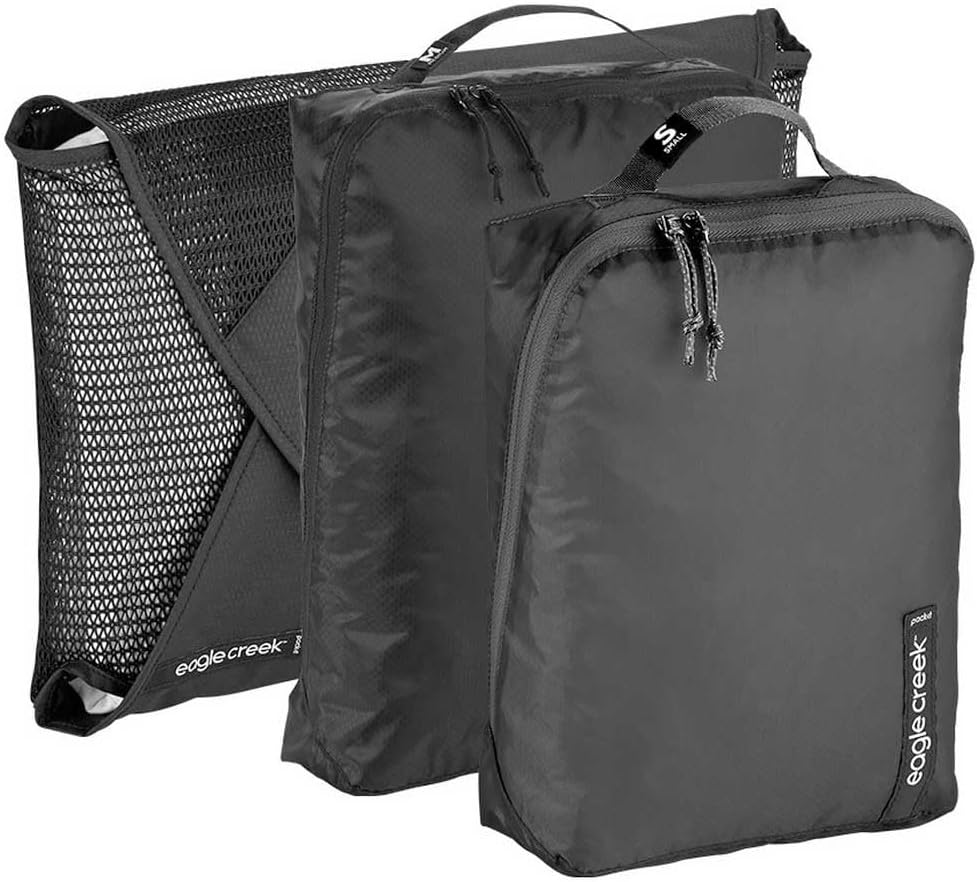
Eagle Creek Pack-It Starter Set
Adds a wrinkle-free garment folder, the only piece here designed to hold a fold
Most expensive set, and the rigid folder eats space in a small carry-on
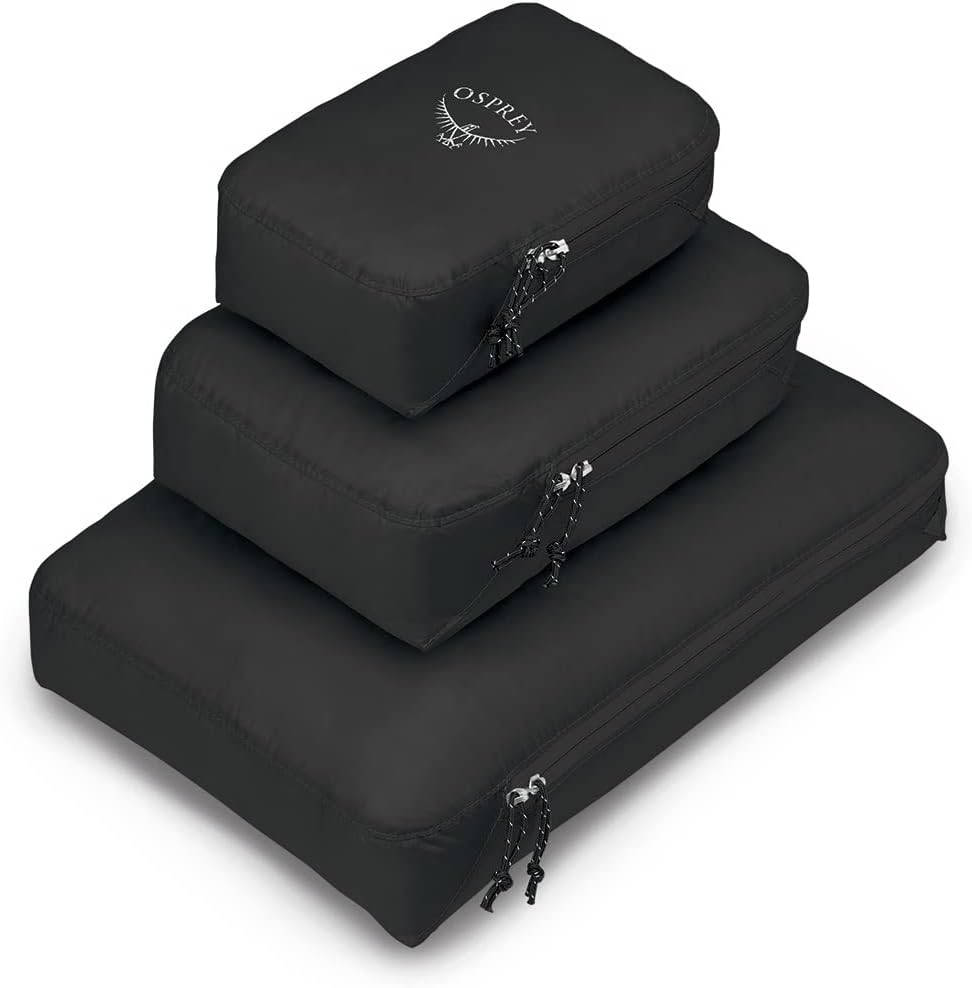
Osprey Ultralight Travel Packing Cube
Lowest-material build for anyone counting grams, sold as one cube
One piece per purchase, and the ultralight brief means less structure
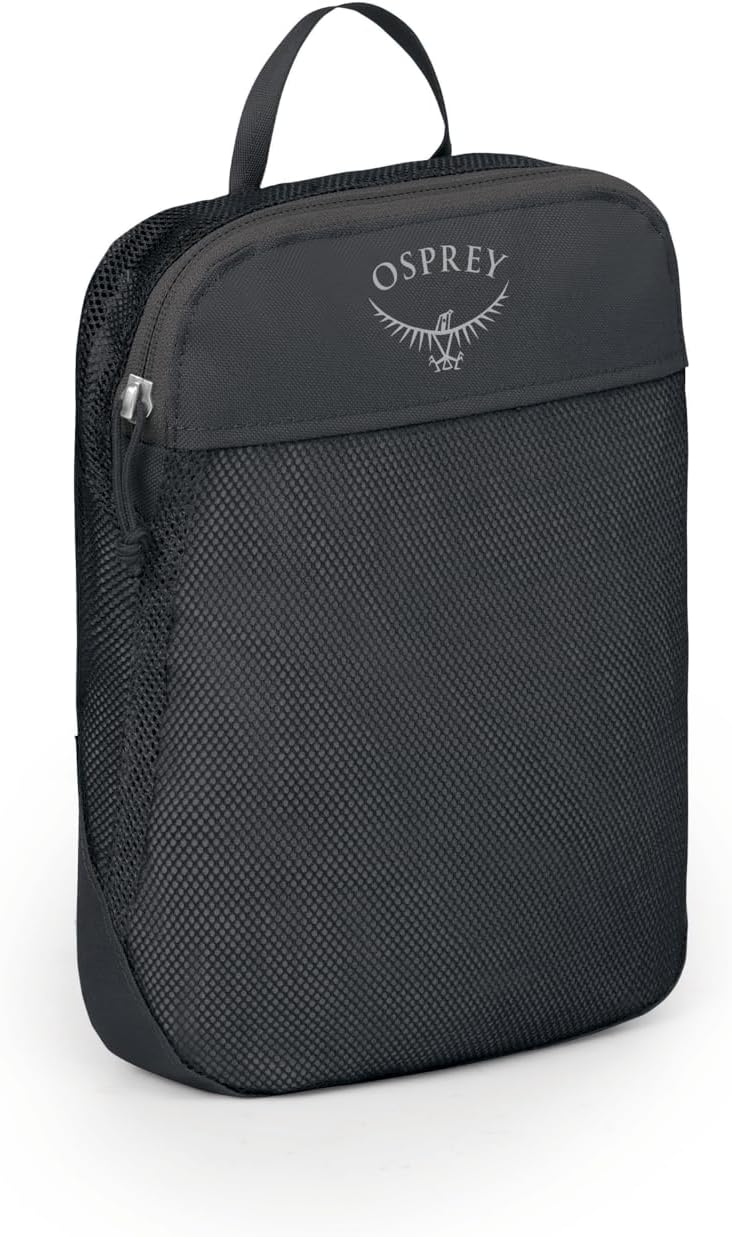
Osprey Daylite Packing Cube
Matches the interior logic of the Daylite daypack family, one cube at a time
Least specialised of the four for a checked suitcase
Prices and availability may change.
The bagail vs amazon essentials packing organizers verdict
The bagail vs amazon essentials packing organizers question is really two questions wearing one coat. The first is budget: which set gives you the most usable pieces for the least money. The second is fit: which pieces will match the inside of the bag you already own. BAGAIL built its reputation on the first question, and the Amazon Essentials set answers it in this batch with four pieces, a double zipper and mesh tops at the lowest outlay of anything here. Neither name answers the second question for you, because neither brand knows your bag's interior. That part is on you, and the size guide below is where to do the work.
Worth saying plainly: if you searched BAGAIL vs Amazon Essentials packing organizers expecting a straight head-to-head between two cube sets, the Amazon Essentials set is the direct stand-in in this batch, and the other three entries are the upgrade path rather than the competition. That is a more useful comparison than a coin flip between two near-identical budget sets, because it tells you what the extra money actually buys.
What the listings actually state
Read the product names as spec sheets, because that is what they are. The Amazon Essentials name gives you piece count (four), sizes (small, medium, large, slim), zipper type (double), top material (mesh) and colour. The Eagle Creek name gives you the piece that matters most in that set, the wrinkle-free garment folder, plus cubes. The Osprey Ultralight name gives you the design brief in a single word. The Osprey Daylite name ties the cube to a daypack family, which tells you what it was shaped for.
What none of those names give you is a dimension in inches or centimetres. That is the number that decides whether a set works, and it is the number most listings bury in a bullet three screens down. When you are reading Packing Organizers reviews, sort them by whether the reviewer names the bag they packed into. A review that says "fits a 40L carry-on with room for a slim cube at the top" is worth ten that say "great cubes, love them." The second kind tells you about the buyer's mood, not the product's measurements.
Packing Organizers size guide: measure the interior, not the shell
Airlines publish exterior limits. Bags are sold on exterior dimensions. Cubes have to live in the interior. Those are three different numbers and only one of them is on the tag. Measure the inside of your main compartment at its narrowest point, which is usually where the wheel housing intrudes, and write it down. Then measure the depth with the bag packed the way you actually pack it, not empty and flattened on the bedroom floor.
The practical rule: a cube should slide in and out with one hand and about a finger of clearance. If it needs a shove, it is the wrong size, and you will stop using it by the second trip. If it rattles around loose, it is wasting the space a slim cube would fill. This is why a four-piece set with a slim piece beats a three-piece set of similar total volume: the slim cube is the one that fills the gap above the wheel wells, which is dead space in almost every carry-on.
For one-bag travel under a 22 x 14 x 9 inch limit, the arithmetic is tighter than people expect. Two medium cubes plus a slim usually beats one large cube, because a large cube becomes a solid brick that will not conform to the bag's taper. Cubes that flex slightly with the load are doing you a favour, even though they feel less premium in the hand.
How to choose Packing Organizers when the listing hides the number
This is the part of a Packing Organizers buying guide that gets skipped in favour of brand rankings. Work in this order instead.
- Measure the interior of your bag at the narrowest point and at the deepest point, and note both.
- Decide how many separate bundles you actually pack. For most people it is four: tops, bottoms, smalls, and dirty laundry.
- Choose mesh tops if you want to see contents at a glance, solid panels if you want compression and a little privacy in a shared hostel room.
- Check the zipper spec. A double zipper with two pulls lets you open a cube from either end, which matters when the bag is tightly packed and you only want the sock end.
- Only then compare sets.
If you are shopping for Packing Organizers for beginners, buy one set and live with it for a trip before adding anything else. The failure mode is buying six cubes, discovering that four of them do not fit the bag you own, and going back to stuffing everything loose. One set, one trip, then refine.
Where each set wins and where it loses
Amazon Essentials 4-Piece Space-Saving Packing Cubes Set
Four pieces, mesh tops, double zipper, and the lowest outlay in this comparison. It wins on coverage: small, medium, large and slim is a more useful spread than three cubes of the same size, because the slim one fills the gap above the wheel housing and the large one handles bulk. It loses on materials. This is a set built to a price, and the fabric and zipper hardware reflect that honestly. If you pack four times a year for a long weekend, that trade is fine and you will never notice. If you live out of a bag eleven months a year, you will wear through the mesh at the seam eventually.
Eagle Creek Pack-It Starter Set
The garment folder is the reason to buy this set, and it is the only piece in this batch designed around a fold rather than a bundle. Shirts folded around a folder arrive with fewer creases than shirts rolled into a cube, and no amount of clever cube design fixes that, because a cube compresses a crease into place. The cubes in the set are supporting cast. It loses on two counts: it is the most expensive set here, and the folder is a rigid rectangle that eats space in a small carry-on. If you fly to meetings with a blouse or a jacket that has to look presentable at the other end, that trade is worth it. If you pack t-shirts and hiking trousers, it is money spent on a problem you do not have.
Osprey Ultralight Travel Packing Cube
A single cube sold on low material weight. It wins for anyone counting grams: the ultralight backpacking crowd, and the people who fly with a 30L bag and no checked luggage at all. It loses on coverage. One cube is one bundle, so a full suitcase means buying several, and the total climbs past what a set costs. The ultralight brief also means less structure, so it organizes soft goods well and crease-prone items badly. Buy it because you want the bag lighter, not because you want the bag tidier.
Osprey Daylite Packing Cube
Same single-cube logic with a shape aimed at the Daylite daypack family. It wins when you already own an Osprey daypack and want the interior to divide the same way on every trip, which removes a small decision from every packing session. It loses for the same reason as the Ultralight: one piece at a time, and it is the least specialised of the four for a checked suitcase. If you are kitting out a rolling bag, this is not the starting point.
What Packing Organizers reviews repeat
Read enough Packing Organizers reviews and the same three complaints come back. The zipper pull is the first thing to fail, usually the slider rather than the tape. Mesh tops tear at the seam where the mesh meets the fabric, especially when the cube is overstuffed and the zipper is forced shut. And cubes get returned because the buyer measured the outside of the bag rather than the inside.
The pattern behind top rated Packing Organizers is boring and consistent: the ones that stay rated are the ones whose listings print the interior dimensions, because buyers who measure can self-select and the returns drop. A set with no dimensions in the listing generates returns no matter how good the fabric is, and no amount of marketing copy fixes a cube that does not fit.
Packing Organizers comparison: the trade-offs that actually decide it
Set against each other, the four split on three axes.
Coverage versus cost. The Amazon Essentials set gives you four pieces for the least money. The two Osprey cubes give you one piece each. If you are outfitting a bag from scratch, the set wins on arithmetic alone and it is the sensible answer to the best budget Packing Organizers question.
Structure versus weight. The Eagle Creek folder is the only piece here designed to hold a fold. That structure costs space and grams. The Osprey Ultralight sits at the opposite end of the same axis: minimal material, minimal structure, minimal weight. Neither is better in the abstract; they solve different trips.
Set versus single. A set commits you to someone else's idea of four useful sizes. A single cube lets you buy exactly the size your bag needs, one at a time. If you have measured your interior and know you need two mediums and nothing else, buying singles is the smarter purchase even at a higher per-piece cost.
Order of operations once you own them
Pack the heavy cube against the back panel, closest to the wheels on a roller or against your spine on a backpack, because that is where the bag carries weight best. Put the slim cube at the top where the taper is, and the dirty laundry cube wherever it will not touch clean clothes. Leave the mesh-top cube for whatever you need to reach at security, so you are not unpacking the whole bag at the conveyor belt.
The garment folder, if you bought the Eagle Creek set, goes flat against the back panel with nothing stacked on top of it. Fold a jacket around it rather than beside it. And weigh the packed bag on a kitchen scale before you leave, because cubes make it easy to add volume without noticing what it costs you in weight.
Who each set suits
- Buy the Amazon Essentials set if you pack a standard carry-on a few times a year and want the whole job done in one purchase.
- Buy the Eagle Creek set if you travel for work and shirts have to arrive flat.
- Buy the Osprey Ultralight cube if you fly with a small bag and count grams.
- Buy the Osprey Daylite cube if you already pack an Osprey daypack and want the interior to match.
The bottom line
On the bagail vs amazon essentials packing organizers question, the Amazon Essentials set is the one that answers the budget brief in this batch, and it is the right first purchase for most readers. The Eagle Creek set is the upgrade for anyone whose clothes have to survive the flight unwrinkled, and the two Osprey cubes are precision purchases for people who already know their interior measurements. Measure your bag before you buy any of them. That single step prevents more returns than any brand choice on this page.