Airline sizers are not standardized, and that is the whole problem behind the search for the best carry on luggage. A bag that clears one carrier's gauge can get pulled at another, and the listings rarely help: plenty of them say airline approved without naming a carrier or stating a single dimension, and the hero photo is shot from the front, which hides the wheel housing, the one part that decides whether the bag drops into the sizer. What follows is a carry on luggage comparison built from what the records actually state: the size class printed in the name, shell or fabric construction, wheel and handle hardware, and the job each item does on a trip. Where a number is missing, this guide says it is missing, and says to verify the limit with your carrier before you fly.
Quick answer
The DELSEY Paris Cruise 3.0, 20 Inch Carry-On Hardside Luggage, Black is the strongest fit for most overhead-bin trips because its record states both a 20 inch carry-on size class and a hardside shell, which is the pair of facts you need before you compare anything against a carrier's linear-inch limit. Choose the Osprey Daylite Expandable 26+6 Travel Pack instead when you would rather carry a soft, wearable bag and are willing to confirm packed exterior dimensions yourself.
Carry on luggage features worth comparing
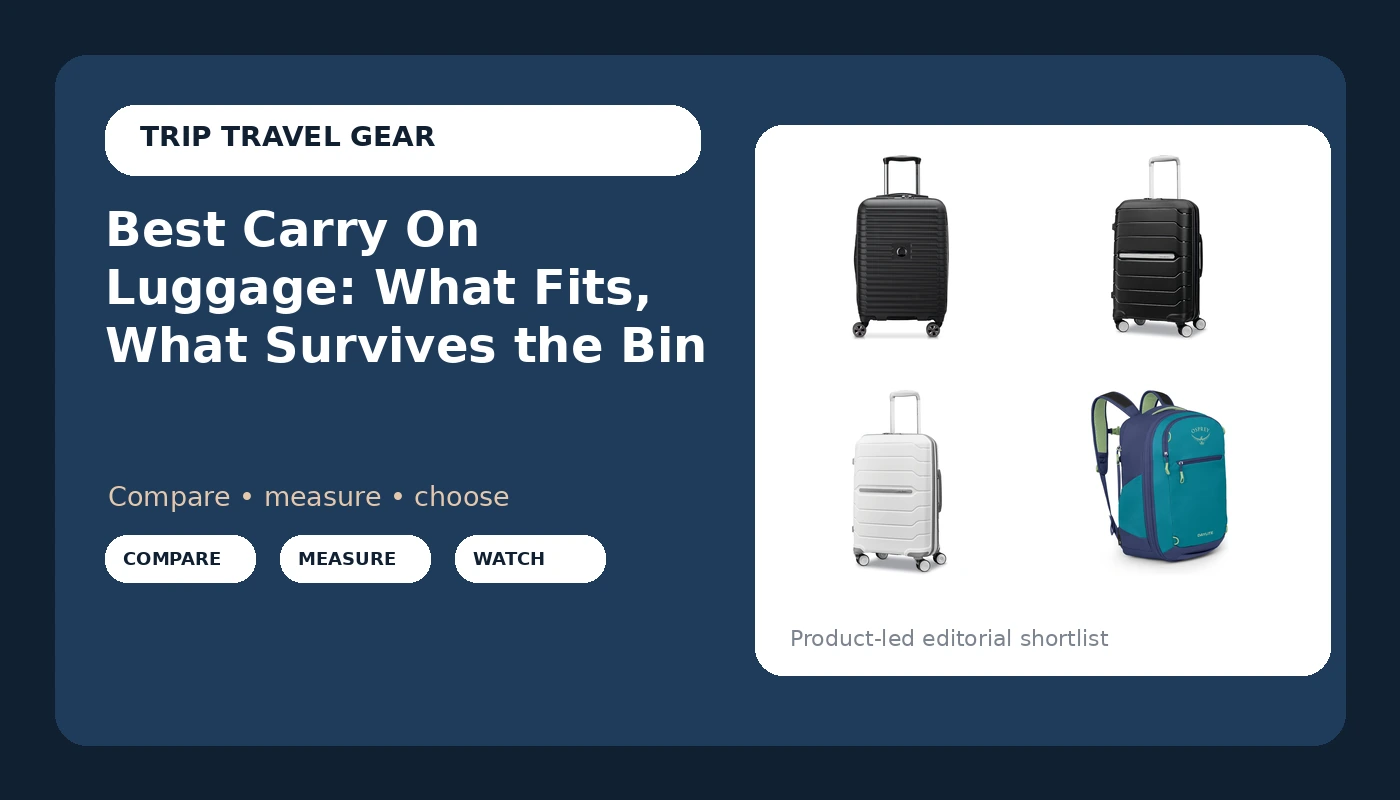
This grid holds more than one kind of object, and that is deliberate. One entry is a carry-on-size hardside case, one is the same case in a second colorway, one is a checked-size 28 inch hardside, one is an expandable travel pack, and one is a stretch cover sized for an 18 to 22 inch case. Reading them side by side is the fastest way to see where a listing commits to a number and where it stays vague.
The first thing worth comparing is the stated size class. A number in the product name is a number you can work with. The DELSEY entry states 20 inch, the Coolife states 28 inch, and the Explore Land cover states a fit range of 18 to 22 inch with a size S. The Samsonite entries and the Osprey pack do not put a linear-inch figure in the name, so the honest position is that you must open the listing and read the dimensions before you decide.
The second is shell versus fabric. A hardside shell gives you a rigid frame that does not compress when something heavy lands on it in the hold or the bin, but it does not flex for an overpacked return trip. Fabric and packcloth flex, which is why the Osprey pack expands in a way a hard case does not, but fabric also transfers whatever presses against it.
The third is hardware: wheel type and count, handle stages, and whether the expansion zipper sits on the main compartment. Four spinner wheels roll upright and take weight off your wrist. Two wheels track straighter over rough pavement. Neither is better in the abstract. What matters is that the listing names the configuration at all, and that the wheel housing does not add to the footprint in a way the photo conceals.
The fourth is the lock. A TSA-accepted lock is a convenience, not a security guarantee. A lock that is not TSA-accepted can be cut off by screeners, and a "TSA approved" badge on a product photo is not the same as a TSA-accepted lock in the description.
The fifth is role. A cover protects a case. It does not replace one, and it adds a thin layer that counts against the sizer. A 28 inch case is checked luggage by any definition. A 26+6 pack is a personal-item-or-overhead question that depends entirely on your carrier's published limits.
Top pick
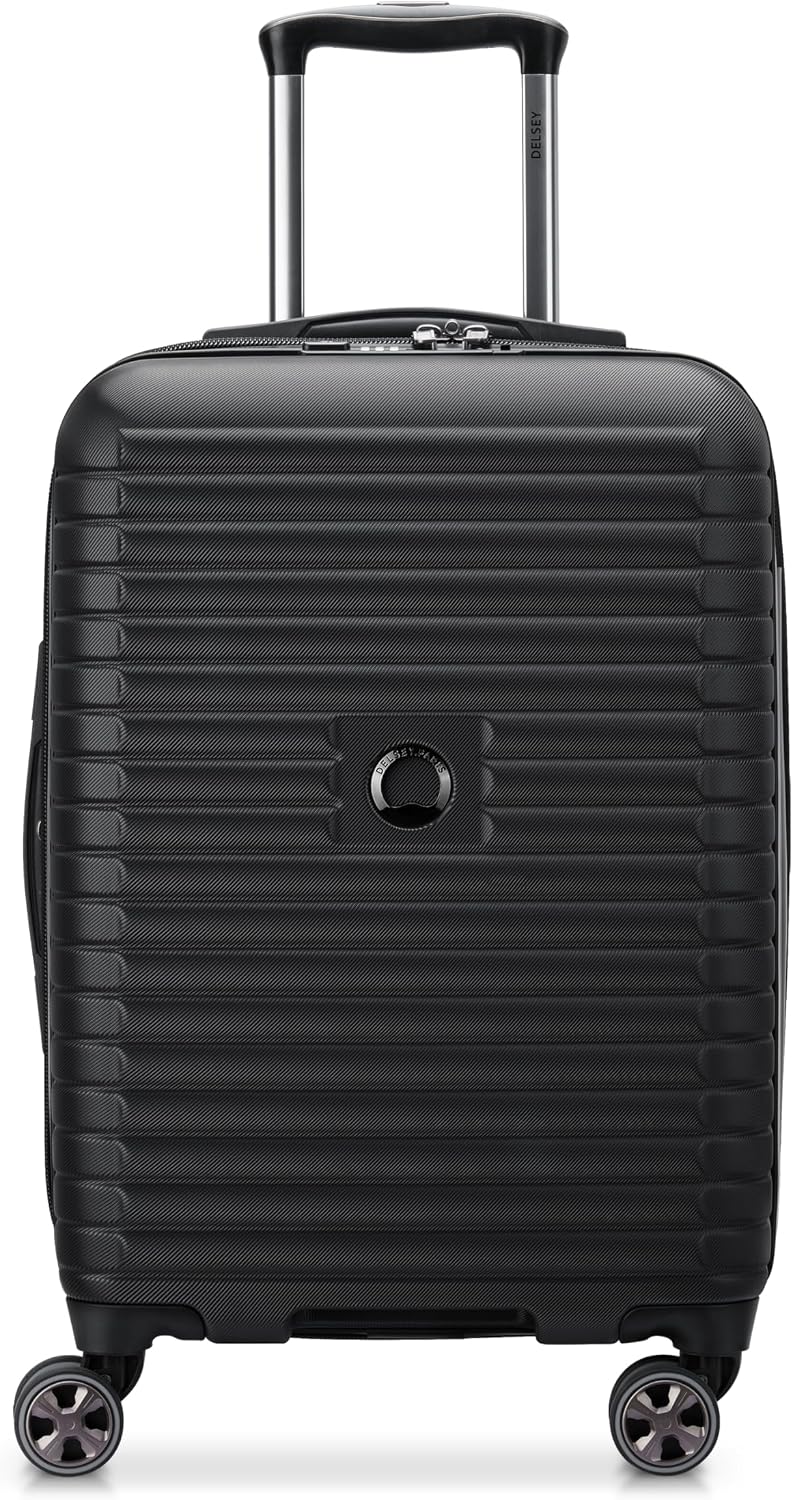
DELSEY Paris Cruise 3.0, 20 Inch Carry-On Hardside Luggage, Black
A hardside case with a 20 inch carry-on size class stated in the product name and a black finish. The name does not spell out wheel configuration, shell material, or expanded depth, so confirm those details on the listing before you measure it against a carrier's limit.
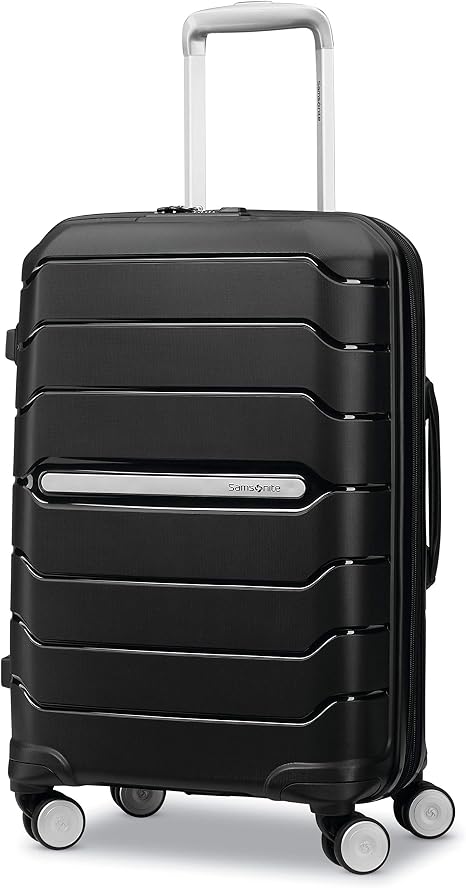
Samsonite Freeform Hardside Carry-On Luggage with Spinner Wheels – Hardshell Suitcase – TSA, Airline-Approved – Expandable Hard Shell, Smooth Rolling Wheels for Lightweight Travel, Black
The record lists an expandable hard shell, spinner wheels, and TSA and airline-approved wording in the title, in black. That wording is only as useful as the dimension behind it, so read the listed size before trusting the badge.
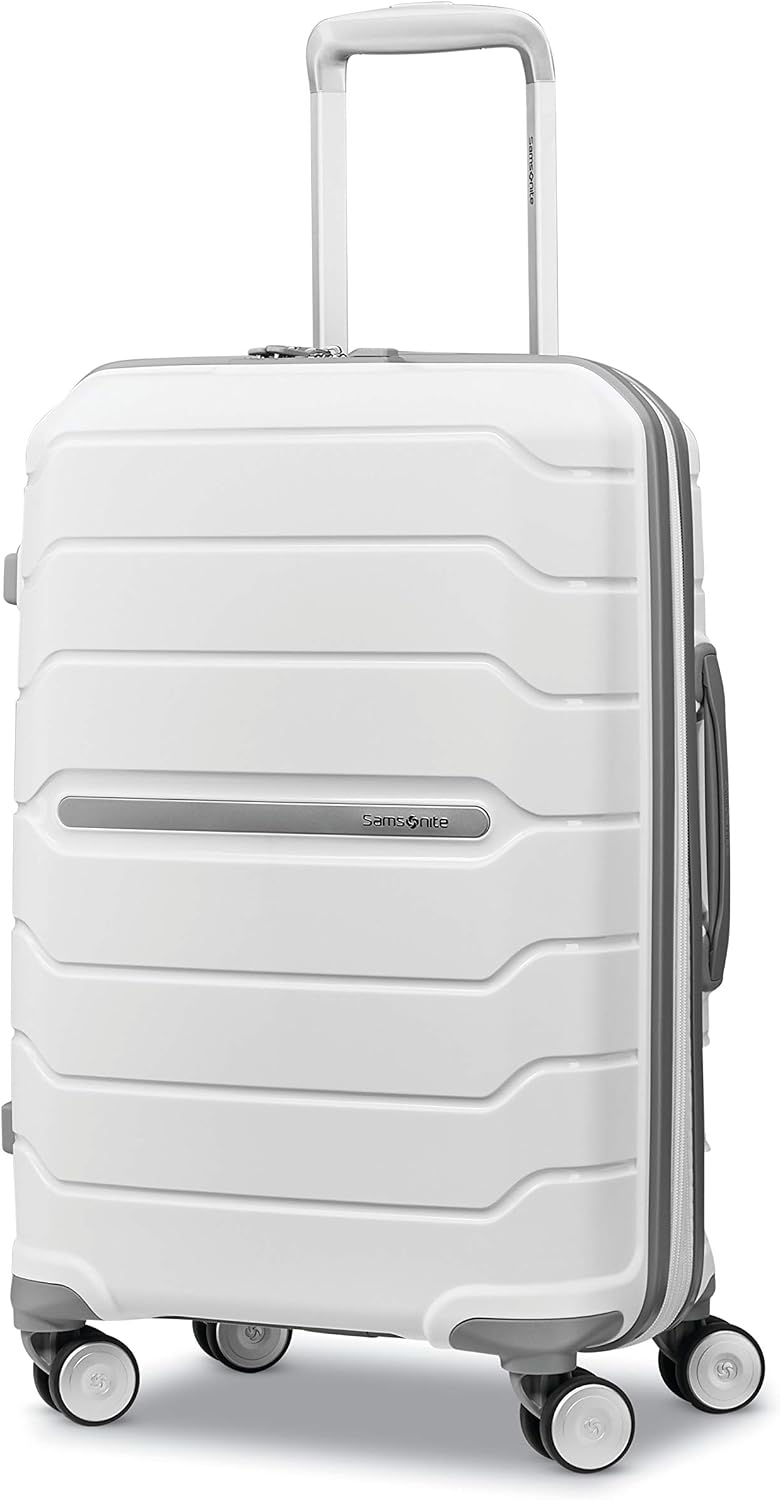
Samsonite Freeform Hardside Carry-On Luggage with Spinner Wheels – Hardshell Suitcase – TSA, Airline-Approved – Expandable Hard Shell, Smooth Rolling Wheels for Lightweight Travel – White
The same stated model and feature set as the black entry, listed separately in white. Treat the choice between them as a colorway and availability decision rather than a hardware decision.
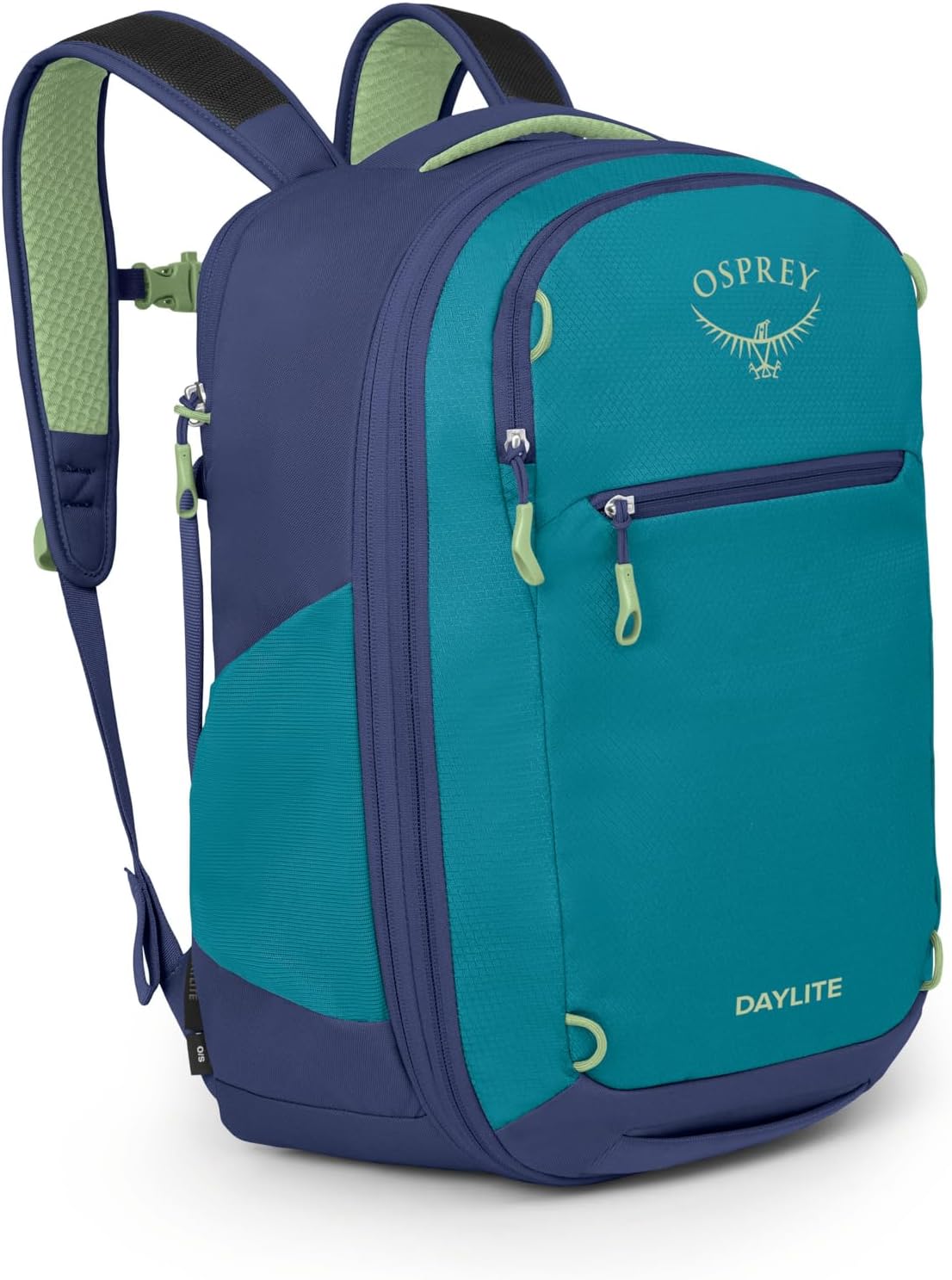
Osprey Daylite Expandable 26+6 Travel Pack, Blue Spikemoss/Alkaline
An expandable travel pack in Blue Spikemoss/Alkaline, with the 26+6 naming describing its capacity range. This is a wearable bag rather than a wheeled case, so check packed exterior dimensions against the carrier's limit instead of assuming capacity equals bin fit.
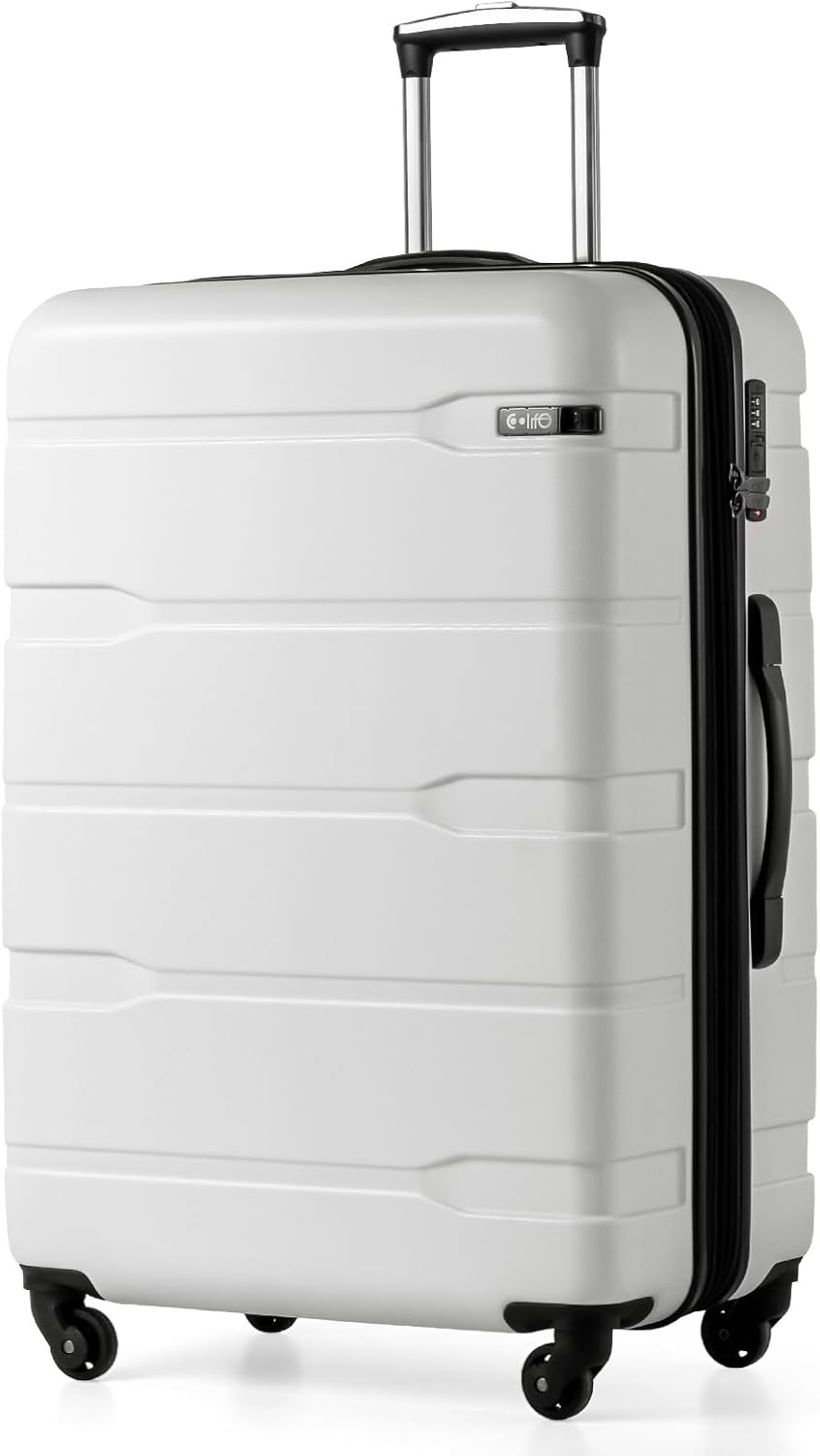
Coolife Large Checked Luggage Hardside Suitcase with Spinner Wheels, 28in
A 28 inch hardside case with spinner wheels, which puts it in checked-luggage territory rather than the overhead bin. Included as the step up when a carry-on-size case will not hold the trip.
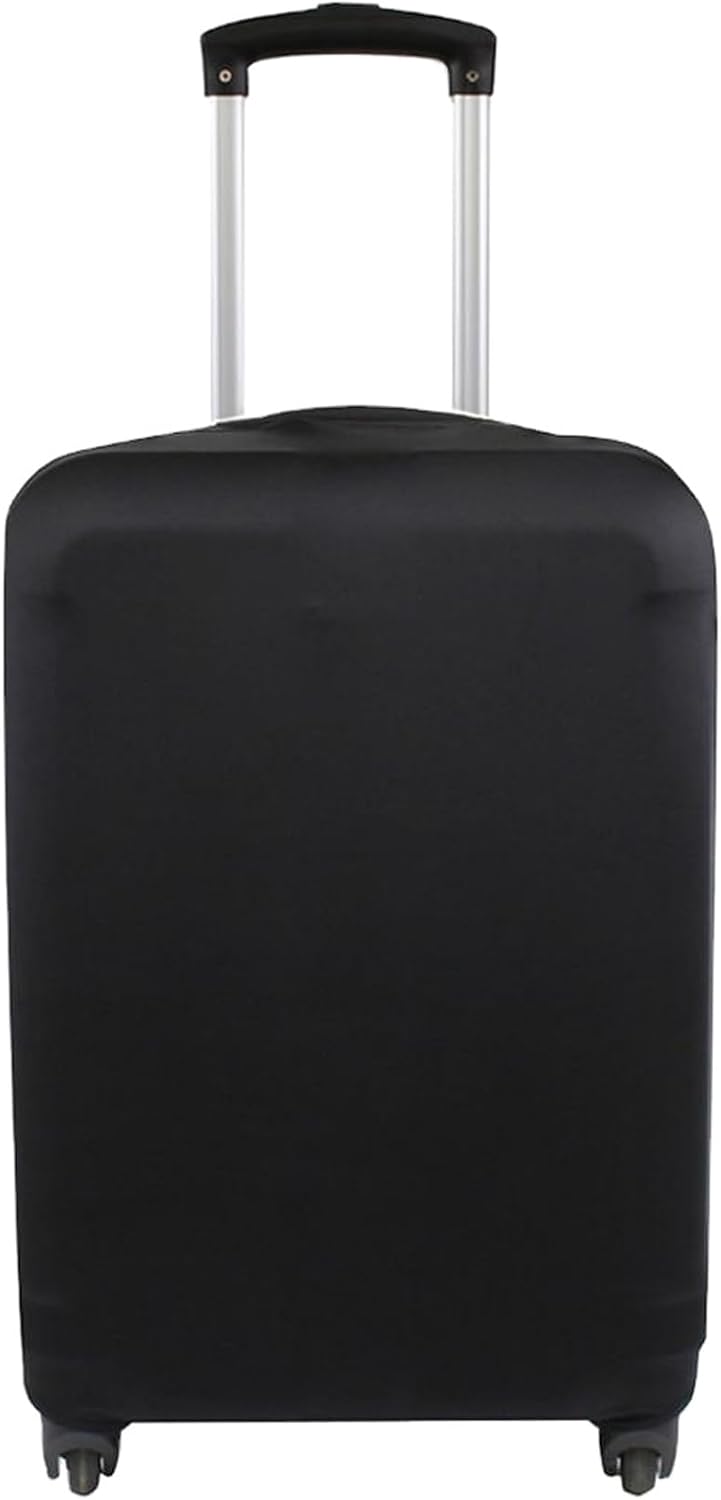
Explore Land Travel Luggage Cover Fits 18-22 inch Case (Black, S)
A stretch cover sized to fit 18 to 22 inch cases, in black, size S. It protects a shell from scuffs and belt grime, but it is an accessory: measure the covered case against a sizer, not the bare one.
How these products were compared
This guide compares stated size class and dimensions, shell or fabric construction, wheel and handle hardware as described, the role each item plays in a trip, and what the listing leaves unsaid. Product names, images, and retailer links are matched so that every card points to the product shown, and the sizes quoted in this article come from the product names themselves rather than from a guess at what the model usually measures.
Nothing here is described as tested, flown with, or measured in person, because it was not. What it is: a reading of the records against the things that actually decide a trip, which is why the missing numbers get named instead of smoothed over. Skim Carry-Ons reviews for the part that fails first on any bag you shortlist, and expect the same three complaints to surface: a telescoping handle that develops play, a zipper pull that separates from the slider, and a wheel housing that cracks at the seam after a gate-check.
How to choose the right carry on luggage
The order of operations matters more than the brand. Start with the carrier's published limit for the cabin you booked, then measure the bag you already own, packed, at the tallest, widest, and deepest points, wheels and handles included. Add those three numbers and you have linear inches, which is the figure most carriers publish. Do the same with a kitchen scale for weight, because a bag that fits the sizer and blows the weight limit is still a checked bag at the gate.
Then decide hardside or softside on how you pack, not on how the bag photographs. If you travel with a laptop sleeve or a camera insert that needs a rigid frame around it, a hardside shell earns its weight. If you routinely come home with more than you left with, an expandable soft bag or a pack gives you room a fixed shell cannot. If your packing style depends on cubes, read packing organizers that match carry-on interiors before you buy anything, because cube dimensions have to fit the interior, not the exterior on the listing.
Treat any Carry-Ons buying guide, including this one, as a filter rather than a verdict. If you are starting from zero, the short version of Carry-Ons for beginners is: one bag, measured packed, weighed packed, lock tested at home before the airport. Lists of top rated Carry-Ons are good for finding candidates and useless for confirming fit, since a bag can be top rated and still miss your carrier's sizer by an inch. That is also how to choose carry on luggage without overpaying: budget picks are usually a colorway decision on unchanged hardware, which is why the two Samsonite entries here are listed separately rather than folded into one.
DELSEY Paris Cruise 3.0, 20 Inch Carry-On Hardside Luggage, Black
This is the pick because the record does the one thing the others mostly do not: it puts a size class in the name. A 20 inch figure plus a hardside shell is enough to start a real comparison against a carrier's published limit, and it means you are not guessing whether you are looking at a bin bag or a gate-check bag. The black finish is the least interesting fact about it, which is usually a good sign in luggage.
The trade-off is disclosure. The name does not state the wheel configuration, the shell material, or the expanded depth if there is one, so you have to open the listing and read the specification block before you commit. That is a fifteen-minute job, and it is the same job you would have to do on any bag whose title stays vague. If the listing does not state a linear-inch figure anywhere, treat that as a reason to keep looking rather than a reason to assume it will fit.
Alternatives to consider
The Osprey Daylite Expandable 26+6 Travel Pack is better suited to trips where you want a wearable bag and will not be rolling anything through a station, while the Samsonite Freeform Hardside Carry-On Luggage with Spinner Wheels in black is a stronger fit when you want spinner wheels and an expandable hard shell and are prepared to verify the listed dimensions against your carrier's limit rather than trusting the airline-approved wording.
The Coolife Large Checked Luggage Hardside Suitcase, the Samsonite Freeform in white, and the Explore Land Travel Luggage Cover cover the remaining roles: a 28 inch checked case for long trips, a second colorway of the same Samsonite model, and a stretch cover that fits an 18 to 22 inch case and keeps road grime off a shell you plan to keep for years.
Day-to-day use and maintenance
Hardside shells are the easier of the two to live with. Wipe them with a damp cloth, skip abrasive cleaners, and let the shell dry fully before you close it up for storage. Store the case empty with the expansion zipper zipped flat if it has one, since a compressed shell sitting for months can hold a crease at the seam. Keep the wheels clear of hair and grit, and test the telescoping handle at full extension before you leave rather than at the check-in desk.
If you use a cover, put it on before you measure, because the covered case is the one the sizer sees. Weigh the packed bag at home on a kitchen scale, note the number, and check it against the carrier's published limit for your fare class, since those limits are per carrier and do change. Follow the care instructions that ship with the specific product, and treat any lock as a deterrent rather than a guarantee.
Buying checklist
- Measure the packed bag at its tallest, widest, and deepest points, wheels and handles included.
- Add the three figures and compare the total to your carrier's published linear-inch limit.
- Choose hardside or fabric based on how you pack, not on how the bag photographs.
- Confirm that the exact model states a size, a wheel configuration, and a lock type in its listing.
- Weigh the packed bag on a scale and check it against the carrier's weight limit.
- Read the cleaning and care instructions before the first trip, not after it.
- Verify the current retailer price, availability, and return terms through the link on each card.
Final recommendation
Choose the DELSEY Paris Cruise 3.0, 20 Inch Carry-On Hardside Luggage when you want a carry-on-size hardside case whose stated size class you can check against a real carrier limit before you buy. Choose the Osprey Daylite Expandable 26+6 Travel Pack when a wearable, expandable pack suits your trip better than wheels and you are willing to measure the packed bag yourself. If neither role matches, the honest answer is that the verified data does not support a meaningful distinction, and the right move is to measure your current bag before buying another one.